Mobile Threats in 2025: Malicious Apps, SIM Swapping & Silent Surveillance
Smartphones have become the most valuable digital asset people carry every day. In 2025, attackers increasingly focus on mobile devices because they combine identity, authentication, location data, and private communications in a single target.
Unlike traditional computers, phones are always connected, always logged in, and constantly generating sensitive data.
📱 Why Mobile Devices Are Prime Targets
Modern smartphones store or control access to:
- Email accounts
- Banking and payment apps
- Authentication codes
- Cloud backups
- Photos and documents
- Location history
- Contacts and communications
A compromised phone often leads directly to identity theft, account takeovers, and financial fraud, as explained in Identity Theft Protection.
🧪 Malicious Mobile Apps: The Silent Entry Point
Malicious apps remain one of the most common mobile attack vectors.
These apps may:
- Masquerade as legitimate tools
- Abuse accessibility permissions
- Harvest credentials silently
- Display no visible malicious behavior
Even official app stores occasionally host malicious or compromised applications, especially in categories such as utilities, QR scanners, wallpapers, and flashlight apps.
Once installed, attackers gain long-term access without triggering alarms.
🔐 Permission Abuse & Over-Privileged Apps
Many mobile threats rely on excessive permissions rather than exploits.
Dangerous permissions include:
- Accessibility services
- SMS reading
- Call handling
- Screen recording
- Device admin privileges
Attackers use these permissions to intercept MFA codes, read private messages, and monitor user activity — bypassing protections described in Multi-Factor Authentication.
🔁 SIM Swapping Attacks Explained
SIM swapping is a rapidly growing threat in 2025.
Attackers convince or manipulate mobile carriers into transferring a victim’s phone number to a SIM card they control. Once successful, they can:
- Receive SMS verification codes
- Reset passwords
- Take over email and financial accounts
- Lock victims out completely
This technique is often combined with social engineering tactics detailed in Social Engineering.
🕵️ Spyware & Stalkerware on Smartphones
Mobile spyware has evolved beyond nation-state tools.
Today, stalkerware and surveillance apps are used for:
- Monitoring messages
- Tracking real-time location
- Recording calls
- Accessing photos and microphones
Many of these tools operate invisibly and are difficult to detect without specialized analysis.
📍 Location Tracking & Metadata Exploitation
Even without malware, smartphones leak metadata.
Attackers can infer:
- Daily routines
- Home and work locations
- Travel patterns
- Social relationships
This information fuels targeted scams, physical surveillance, and personalized fraud, linking mobile threats with physical security risks described in Personal Safety.
📶 Public Wi-Fi & Mobile Interception Risks
Mobile devices frequently connect to untrusted networks.
Risks include:
- Traffic interception
- Rogue Wi-Fi hotspots
- Session hijacking
- DNS manipulation
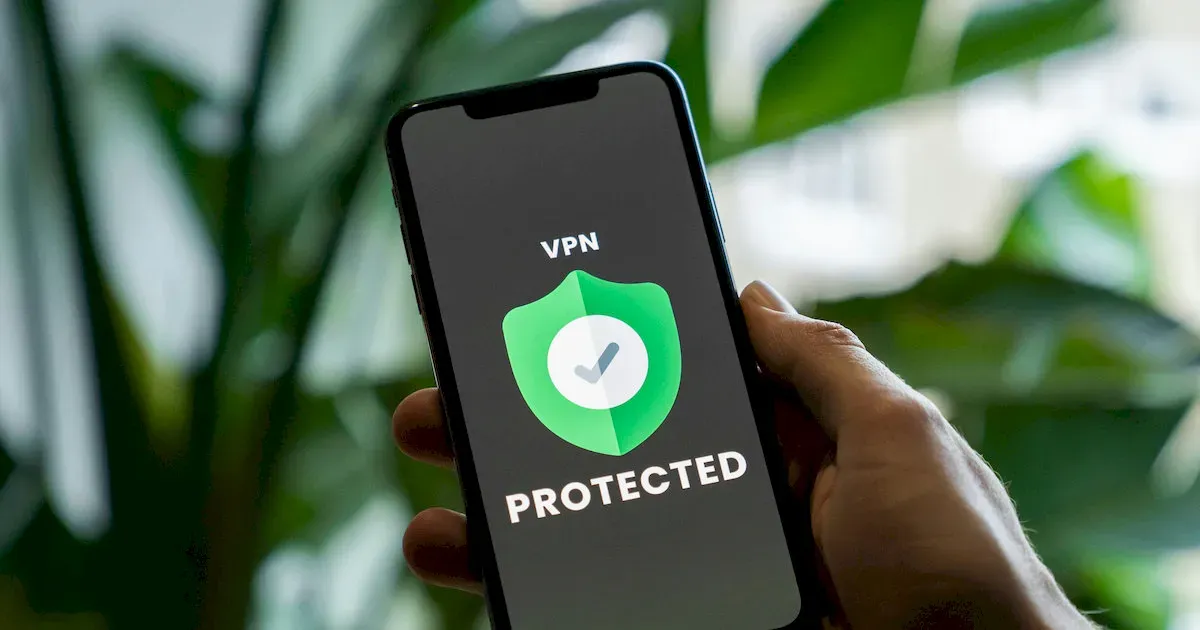
Using a VPN reduces exposure but does not eliminate all risks, a limitation explained in VPN Security.
🛡️ Hardening Your Smartphone Against Attacks
Effective mobile defense requires layered controls:
- Minimal app permissions
- Regular OS updates
- App source verification
- Secure lock screens
- Encrypted backups
- SIM PIN protection
These steps are part of broader strategies covered in Smartphone Security.
🧠 Why Mobile Attacks Are Hard to Detect
Mobile compromises often go unnoticed because:
- Apps appear legitimate
- Battery usage remains normal
- No obvious pop-ups occur
- Malware blends into system behavior
Victims often discover compromises only after financial or identity damage occurs.
🔄 Mobile Threats as Gateways to Larger Breaches
A compromised phone enables attackers to:
- Reset other accounts
- Bypass MFA
- Access cloud storage
- Impersonate victims
- Launch follow-up scams
This cascading effect makes mobile security a critical foundation of overall digital protection.
📌 Conclusion
Mobile threats in 2025 exploit trust, convenience, and constant connectivity. Smartphones are no longer secondary devices — they are identity hubs. Protecting them requires discipline, awareness, and proactive configuration.
Strengthening mobile security is a core focus of SECMONS, because once a phone is compromised, everything else often follows.