Social Media Security
🔐 Secure Social Media: Protect Your Accounts, Privacy & Identity (2025 Guide)
Social media platforms — Facebook, Instagram, TikTok, X (Twitter), LinkedIn, Snapchat, and YouTube — are among the most targeted accounts for cyberattacks, impersonation, financial scams, stalking, and identity theft.
This guide explains exactly how to secure your social media profiles, protect your personal information, prevent account takeovers, and avoid the most common online scams.
Before we begin, review the fundamentals of identity protection:
👉 Privacy & Identity Protection
🔍 Why Social Media Is a Major Security Risk
Attackers target social media to:
- Steal your identity
- Impersonate you
- Scam your friends and family
- Gain access to your private messages
- Reset your other accounts
- Track your location and routines
- Collect personal data for future attacks
Many social media scams rely on manipulation:
👉 Social Engineering
🛡️ Step 1: Enable MFA on Every Social Media Platform
MFA is the strongest defense against account takeovers.
Enable it on:
- TikTok
- X (Twitter)
- Snapchat
- YouTube / Google
Preferred methods:
- Authenticator apps
- Hardware security keys
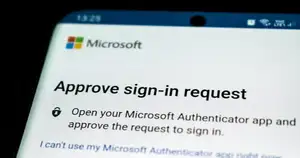
- App push confirmations
Avoid SMS codes when possible.
🔐 Step 2: Use Unique, Strong Passwords
Do NOT reuse passwords across multiple platforms.
Social media logins are often leaked in data breaches.
Use:
- A password manager
- A long, unique password
- A passphrase or random generator
Learn the best practices:
👉 Strong Passwords
🧩 Step 3: Lock Down Your Privacy Settings
Adjust settings to reduce exposure:
✔ Hide your friends list
Prevents attackers from targeting your contacts.
✔ Hide your birthday
Birthday = password reset + identity theft risk.
✔ Hide your email/phone number
Used by attackers for discovery and phishing.
✔ Limit who can see your posts
Choose:
Friends / Close friends / Private
✔ Disable account discovery
Prevent people from finding you via phone number.
✔ Limit past post visibility
Old posts can expose personal data.
✔ Turn off location sharing
Location history = stalking & profiling.
📸 Step 4: Be Careful With What You Post
Avoid posting:
- Travel plans
- Real-time location
- Home address
- School/work details
- Expensive purchases
- Photos of IDs or tickets
- Kids’ personal information
- Car license plates
All of these can be used in identity theft scams.
🧪 Step 5: Detect Fake Profiles & Impersonation
Fake profiles are used to:
- Scam followers
- Steal personal photos
- Manipulate contacts
- Spread phishing links
- Romance scam victims
- Promote fake investments
Red flags:
- Recently created account
- Few photos, stock images, or AI avatars
- Fake-sounding job titles
- Asking for money or favors
- Requesting to move to WhatsApp/Telegram
- Sending suspicious links
🕵️ Step 6: Recognize Social Media Scams
Common scams include:
✔ Fake giveaways
“Congratulations! You won!”
→ Leads to phishing pages.
✔ Fake investment opportunities
Linked to crypto and forex scams.
✔ Romance scams
Emotional manipulation + financial fraud.
✔ “Friends or family” impersonation
Scammer pretends to be someone you know.
✔ Fake customer support
Asking for login codes or payment info.
✔ Fake job offers
Especially on LinkedIn.
✔ “Your page will be deleted” phishing
Common for small businesses.
Phishing examples explained here:
👉 Phishing Attacks
📱 Step 7: Secure Your Social Media Apps
Mobile devices are the primary attack surface.
Checklist:
- Install apps only from official stores
- Avoid third-party APKs
- Keep app updated
- Disable risky permissions
- Avoid giving apps microphone/location access unless needed
- Avoid using public Wi-Fi without a VPN
🧲 Step 8: Secure Your Business Pages (If Applicable)
Attackers frequently target business accounts.
Steps:
- Add multiple trusted admins
- Require MFA for all admins
- Avoid accepting unknown partner requests
- Use official domain emails
- Monitor inbox for phishing
- Turn on login alerts
- Review page roles regularly
🧱 Step 9: Check Connected Apps & Integrations
Remove apps that have access to:
- Photos
- Contacts
- Messages
- Account information
- Advertising settings
Attackers often exploit old third-party apps with weak security.
🚫 Step 10: Avoid Logging In Through Suspicious Links
Never log in through:
- DMs
- Comments
- WhatsApp/Telegram
- Unknown websites
- Pop-ups
- QR codes
Always log in through the official app or site.
🚨 Step 11: What to Do If Your Social Media Account Is Hacked
1️⃣ Change your password
From a secure device.
2️⃣ Enable MFA
If not already active.
3️⃣ Check for unauthorized devices
Log out of all devices.
4️⃣ Remove unknown sessions
From the security settings.
5️⃣ Review connected apps
Remove suspicious access.
6️⃣ Check posts/messages
Attackers may have contacted your friends.
7️⃣ Inform your contacts
Warn them about potential scams.
8️⃣ Scan your device
📚 Summary
Social media is a powerful tool — but also a major target for phishing, scams, impersonation, stalking, and identity theft.
By securing accounts with MFA, strong passwords, privacy settings, limited sharing, and careful app management, you significantly reduce your risk.
To continue strengthening your digital safety: