Safe Mobile Banking
📱 Safe Mobile Banking: How to Protect Your Money on Your Phone (2025 Guide)
Mobile banking is fast, convenient, and widely used — but it’s also one of the biggest targets for cybercriminals.
Fraudsters use phishing, malware, fake apps, SIM swapping, and social engineering to drain accounts and steal identities.
This guide explains how to bank safely on your phone, protect your financial accounts, and prevent the most common mobile banking attacks.
Before you begin, review essential account protection basics:
👉 Prevent Account Takeovers
🔍 Why Mobile Banking Is Targeted
Attackers use mobile fraud to:
- Steal money
- Access bank accounts
- Intercept verification codes
- Take over email + financial apps
- Install banking malware
- Redirect transactions
- Reset passwords
- Commit identity theft
Many mobile banking attacks start with manipulation:
👉 Social Engineering
🛡️ Step 1: Secure Your Phone With Strong Device Protection
Your phone is the “key” to your entire digital life.
✔ Use a strong PIN or passcode
Avoid:
- 1111
- 0000
- 1234
- Birthdays
- Repeated or patterned swipes
✔ Enable biometrics (face/fingerprint)
Adds an extra layer on top of the passcode.
✔ Keep your phone updated
Security patches fix major vulnerabilities.
✔ Enable auto-lock
Short timeout recommended.
🧩 Step 2: Install Banking Apps ONLY From Official Stores
Never download apps from:
- Third-party APK sites
- Links sent by SMS
- Links sent by email
- Pop-up ads
- “Customer support” chats
Fake banking apps are a major fraud vector.
If unsure about a link, verify:
👉 Verify Website Legitimacy
🔐 Step 3: Use Strong, Unique Passwords for Banking & Payment Apps
Banking apps must NEVER share passwords with:
- Social media
- Shopping sites
- Cloud accounts
Create strong, unique passwords:
👉 Strong Passwords
Use a password manager to store them securely.
🧱 Step 4: Enable MFA on All Financial Accounts
MFA prevents 90%+ of mobile bank takeovers.
Enable MFA for:
- Online banking
- Investment platforms
- Payment apps (PayPal, Revolut, CashApp, Venmo)
- Credit card apps
- Digital wallets
Preferred methods:
- Authenticator app codes
- Hardware security keys
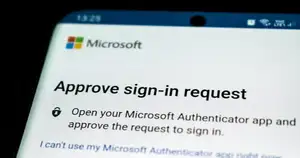
- App push confirmations
Avoid SMS MFA when possible (SIM swap risk).
👉 Multi-Factor Authentication
🚫 Step 5: NEVER Share Verification Codes
Scammers commonly say:
- “Read me the code we just sent you.”
- “This is for account verification.”
- “We need this to confirm your identity.”
Verification codes = FULL ACCESS.
Never share them — with anyone.
🕵️ Step 6: Identify Mobile Banking Scams
✔ Fake bank calls or texts
Attackers impersonate:
- Fraud departments
- Customer support
- “Bank security team”
- Delivery companies (UPS, DHL, FedEx)
- Government agencies
These messages often ask for:
- Passwords
- Verification codes
- Card details
- Payments
Learn how phishing works:
👉 Phishing Attacks
✔ Fake bank login pages
Links sent through:
- SMS
- Messenger
- QR codes
Always go to the bank’s official app or site.
✔ SIM swapping
Attackers take over your phone number to receive your bank’s verification codes.
Protect yourself with:
- Carrier PIN
- Account lock
- No-port-out requests
✔ Malware that targets banking apps
Often delivered via:
- Fake apps
- Downloaded files
- Modified APKs
- Phishing links
- Scareware pop-ups
Mobile malware details:
👉 Malware & System Defense
✔ Fake payment confirmations
Criminals send screenshots or fake “paid” messages.
Always check your bank account directly.
✔ Fake investment and cryptocurrency apps
Used heavily in fraud schemes.
See:
👉 Financial Fraud
🌐 Step 7: Avoid Using Public Wi-Fi for Banking
Public Wi-Fi = high risk.
Attackers can:
- Intercept traffic
- Redirect banking apps
- Create fake Wi-Fi networks
- Inject phishing pages
If unavoidable:
- Use a VPN
- Avoid accessing banking apps
🧲 Step 8: Secure Payment Apps & Digital Wallets
Protect apps like:
- PayPal
- Revolut
- CashApp
- Venmo
- Wise
- Apple Pay
- Google Wallet
Checklist:
- Enable MFA
- Use a PIN or biometric lock
- Disable auto-login
- Turn on payment notifications
- Do not store money long-term in payment apps
🧱 Step 9: Enable Banking Alerts
Set alerts for:
- Logins
- Transfers
- Purchases
- Password changes
- New devices
- Failed login attempts
- Contact info changes
These alerts allow early detection of fraud.
🔎 Step 10: Watch for Signs of a Compromised Device
Your phone may be infected if:
- Sudden battery drain
- Overheating
- Unknown apps appear
- Pop-ups everywhere
- Browsers redirect
- Phone behaves on its own
- Strange permissions
- Unknown devices appear in banking sessions
If suspicious:
Scan your device →
👉 Malware & System Defense
🛑 Step 11: What to Do If Your Mobile Banking Is Compromised
1️⃣ Turn off mobile data & Wi-Fi
Prevents further transactions.
2️⃣ Contact your bank immediately
Report unauthorized activity.
3️⃣ Change your passwords
Do this from a secure device.
4️⃣ Remove suspicious apps
And reset permissions.
5️⃣ Enable MFA
If not active already.
6️⃣ Scan your device
7️⃣ Freeze cards
Temporarily or permanently.
8️⃣ Monitor transactions
Daily for several weeks.
📚 Summary
Mobile banking is safe only when your phone, accounts, and habits are secure.
By using strong passwords, MFA, official apps, secure networks, banking alerts, and awareness of phishing and malware tactics, you can significantly reduce your risk of financial fraud.
To continue strengthening your financial and digital safety: