Password Managers
🔐 Password Managers: Are They Safe? How They Work & How to Choose One (2025 Guide)
Password managers are one of the most effective tools for protecting your online accounts.
They help you create, store, and autofill strong passwords — reducing the risk of account takeovers, reused passwords, and forgotten login details.
Despite this, many people fear password managers, believing “all my passwords are stored in one place.”
This guide explains why password managers are actually safer than storing passwords in browsers, notebooks, text files, or memory.
Before starting, review the basics of secure password creation:
👉 Strong Passwords
🔍 What Is a Password Manager?
A password manager is a secure digital vault that:
- Stores passwords
- Autofills login forms
- Generates strong passwords
- Syncs across devices
- Protects your credentials using advanced encryption
You only need to remember one master password — all others are protected inside your encrypted vault.
🔐 How Password Managers Work (Simple Explanation)
Password managers use zero-knowledge encryption, meaning:
- Your master password never leaves your device
- The company cannot see your data
- Only your device can decrypt your vault
- Even if servers were breached, attackers wouldn’t know your passwords
This model is far safer than:
- Reusing passwords
- Writing them down
- Saving them in browsers
- Memorizing multiple weak passwords
To understand why reused passwords are dangerous:
👉 Prevent Account Takeovers
🧱 How Password Managers Protect Your Data
Password managers secure your vault using:
✔ Strong encryption (AES-256 or stronger)
Impossible to crack with current technology.
✔ Zero-knowledge architecture
Only you can decrypt your vault.
✔ Secure key derivation functions
PBKDF2, Argon2, or scrypt — slowing down brute-force attacks.
✔ Local encryption on your device
Data is encrypted before it ever reaches the cloud.
✔ Secure syncing
Encrypted data is synced — not plaintext.
✔ Auto-lock timers
Vault locks automatically when idle.
✔ Biometric unlock (optional)
Fingerprint or face unlock supported on many devices.
🚨 Are Password Managers Safe?
YES — when used correctly, password managers are extremely safe.
The biggest risks are not the tools, but the users:
- Weak master passwords
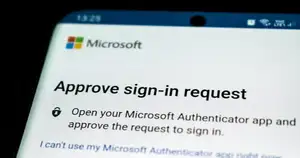
- Not enabling MFA
- Storing recovery keys insecurely
- Falling for phishing scams
- Using a fake password manager app
By securing your master password and MFA, your vault is extremely well protected.
To strengthen your login security further:
👉 Multi-Factor Authentication
🧪 Common Myths About Password Managers (Debunked)
❌ “If someone hacks the password manager company, I’m exposed.”
False.
Vaults are encrypted on your device.
Hackers would get only scrambled data.
❌ “My browser’s built-in password tool is good enough.”
Not always.
Browsers are:
- Targeted by malware
- Less secure than dedicated tools
- Not zero-knowledge
- More vulnerable to theft
❌ “I will just memorize all my passwords.”
People always end up reusing passwords, which leads to major breaches.
❌ “A notebook is safer.”
Not if it’s lost, stolen, photographed, or accessed by someone else.
🏰 Why Password Managers Improve Security Dramatically
Password managers allow you to:
✔ Use unique passwords everywhere
Prevents one breach from affecting all your accounts.
✔ Use very long, complex passwords
Because you don’t need to memorize them.
✔ Avoid phishing autofill tricks
Most password managers will not autofill on fake websites.
✔ Store more than passwords
They also secure:
- Bank information
- Wi-Fi passwords
- Recovery codes
- Sensitive notes
- ID numbers
- Software licenses
✔ Detect reused or weak passwords
Most tools warn you automatically.
🧩 How to Choose a Safe Password Manager (Expert Checklist)
✔ Zero-knowledge architecture
Company should NOT be able to see your vault.
✔ End-to-end encryption
Data must be encrypted locally.
✔ Secure protocols & modern encryption
AES-256
ChaCha20
Argon2
PBKDF2
XChaCha20
✔ MFA support
TOTP
Push verification
Hardware keys (Yubikey)
✔ Emergency access & recovery options
To prevent lockout.
✔ Transparent security audits
Prefer companies with independent audits.
✔ Good reputation & public ownership
Avoid unknown developers or rebranded clones.
✔ Cross-platform support
Windows, macOS, Linux, iOS, Android, browsers.
✔ Secure autofill behavior
Avoid managers that autofill without domain checks.
🛑 Avoid These Password Manager Risks
Be cautious of:
❌ Free “unknown” password managers
Often contain malware.
❌ Storing your master password in your phone notes
Extremely dangerous.
❌ Autofilling on unsafe or unknown websites
Always check the URL.
👉 Verify Website Legitimacy
❌ Syncing without encryption
Some cheap tools lack security.
❌ Saving passwords in email drafts or cloud notes
Insecure and a major identity theft vector.
👉 Privacy & Identity Protection
🧲 Recommended Password Manager Features (Optional but Useful)
- Password strength audits
- Dark web breach monitoring
- Secure password sharing
- Encrypted file storage
- Touch ID / Face ID unlocking
- Local-only mode (no cloud sync)
- Browser extension security controls
🛡️ How to Secure Your Password Manager Properly
✔ 1. Choose a strong master password
Use 3–5 random words or a long passphrase.
👉 Strong Passwords
✔ 2. Enable MFA
Prefer authenticator apps or hardware keys.
✔ 3. Save recovery codes securely
Offline or printed (never in cloud storage).
✔ 4. Don’t stay logged in permanently
Enable auto-lock.
✔ 5. Never install password managers from unofficial app stores
They may be fake.
🚨 What to Do If Your Password Manager Is Compromised
1️⃣ Change your master password
Do it from a secure device.
2️⃣ Enable MFA
If not already active.
3️⃣ Review your vault for unauthorized activity
Look for recently altered entries.
4️⃣ Change important passwords
Email
Bank accounts
Cloud accounts
Social media
5️⃣ Scan your device
Attackers may have installed spyware.
👉 Malware & System Defense
📚 Summary
Password managers are one of the safest, most effective cybersecurity tools available.
They protect your passwords using modern encryption, zero-knowledge architecture, and secure vaults — while helping you create strong, unique passwords for every account.
To continue strengthening your online security: