Secure Online Shopping
🛒 Secure Online Shopping: How to Buy Safely & Avoid E-Commerce Scams (2025 Guide)
Online shopping is convenient — but also one of the most common places where scammers steal money, identity information, and payment details.
Fake stores, fraudulent sellers, phishing emails, counterfeit products, and delivery scams are increasing every year.
This guide teaches you how to shop online safely, identify fake websites, avoid payment fraud, and protect your personal information.
Before you start, review the basics of scam awareness:
👉 Fraud & Scams
🔍 Common Risks When Shopping Online
✔ Fake e-commerce websites
Scammers copy real brands and trick users into entering:
- Payment details
- Personal information
- Address & phone
- Login credentials
How to spot fake sites:
👉 Verify Website Legitimacy
✔ Fake sellers on marketplaces
On Amazon, eBay, AliExpress, Facebook Marketplace, Vinted:
- Counterfeit products
- “Never shipped” scams
- Fake tracking numbers
- Stolen account sellers
- Refund reversal scams
✔ Payment fraud
Criminals may steal:
- Credit card details
- Banking credentials
- Login passwords
- Verification codes
How attackers trick you:
👉 Phishing Attacks
✔ Delivery & tracking scams
Fake delivery notifications:
- “Package held — pay customs fee”
- “Your parcel cannot be delivered — update address”
- “Click here to reschedule delivery”
These lead to phishing pages designed to steal passwords or credit card numbers.
✔ Counterfeit products
Fake versions of:
- Electronics
- Perfumes
- Beauty products
- Supplements
- Luxury goods
- Sneakers
Counterfeit products can be dangerous or harmful.
✔ Identity theft
Scammers collect:
- Name
- Address
- Phone number
- Payment data
- Login credentials
Identity theft details here:
👉 Privacy & Identity Protection
🛡️ Step 1: Verify That the Website Is Legitimate
Before entering payment details, check:
✔ The domain name
Example:
- Correct: nike.com
- Fake: n1ke-shop.com, nike-outlet-sale.net
✔ HTTPS & valid certificates
Look for:
- Padlock symbol
- No warnings from browser
- Correct domain name
✔ Contact information
Legitimate stores provide:
- Address
- Working phone numbers
- Customer support email
✔ Refund & return policies
Fake stores often copy-paste generic text.
✔ Spelling & grammar
Bad language = big red flag.
Full guide:
👉 Verify Website Legitimacy
🧩 Step 2: Research the Store Before Buying
✔ Search for reviews
Use:
- Trustpilot
- Google reviews
✔ Check social media accounts
Fake stores often have:
- Few followers
- Stolen photos
- Recently created accounts
✔ Look for scam warnings
Search:
“store name + scam”
“store name + reviews”
“store name + complaints”
🛍️ Step 3: Use Safe Payment Methods Only
✔ Credit cards (best protection)
Offer strong fraud protection & chargebacks.
✔ PayPal
Safer for buyer protection.
✔ Avoid:
- Direct bank transfers
- Zelle
- Cash App
- Western Union
- MoneyGram
- Crypto payments
Scammers prefer irreversible payments.
🔐 Step 4: Protect Your Accounts With Strong Security
Use unique, strong passwords for:
- Shopping accounts
- Marketplace accounts
- Payment apps
- Email accounts
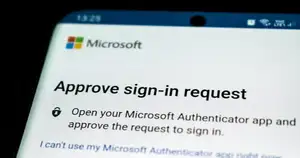
Enable MFA everywhere possible:
👉 Multi-Factor Authentication
🛑 Step 5: Never Enter Card Details Through Links in Messages
Scammers send:
- Fake order confirmations
- Fake delivery notifications
- Fake failed payment messages
Always log in directly through the official website.
Phishing details:
👉 Phishing Attacks
📦 Step 6: Beware of Delivery & Tracking Scams
Scammers impersonate:
- DHL
- UPS
- FedEx
- USPS
- DPD
- Local couriers
Red flags include:
- Unexpected tracking messages
- Requests for payment
- Fake customs charges
- Suspicious links
- Asking you to install apps
Never enter details from unsolicited links.
📱 Step 7: Protect Yourself on Mobile Apps
When using Amazon, eBay, or others:
- Install apps only from official stores
- Avoid third-party APK downloads
- Disable unknown app installation
- Keep your OS updated
- Limit app permissions
- Avoid using public Wi-Fi for checkout
Mobile is the most common place people get scammed.
🏪 Step 8: Watch Out for Social Media Storefront Scams
Instagram, Facebook, TikTok are full of:
- Fake boutiques
- Fake designer stores
- Counterfeit products
- Never-shipped orders
- Dropshipping scams
Be cautious when:
- The store launched recently
- Prices are extremely low
- All photos look “too perfect”
- The business hides its location
🧱 Step 9: Spot Red Flags of Fake Online Stores
Be suspicious if:
- Prices are too low
- No customer reviews
- Only high-pressure sales
- No “About Us” page
- No refund policy
- Strange or new domain
- They only accept crypto or bank transfer
- Website loads poorly or inconsistently
- Images are stolen from other stores
These tactics overlap with fraud and manipulation:
👉 Social Engineering
🧲 Step 10: Detect Fake Marketplace Sellers (Amazon / eBay / AliExpress)
Red flags include:
- No previous sales
- Recently created store
- Extremely low prices
- Generic product descriptions
- Non-original packaging
- No return policy
- Identical reviews posted on multiple items
- Reviews mentioning counterfeit products
🔒 Step 11: Protect Your Financial Data
Use:
- Virtual credit cards
- Payment tokens (Apple Pay / Google Pay)
- One-time use card numbers
- Bank alerts
Avoid typing full card details manually when possible.
🚨 Step 12: What to Do If You Get Scammed
1️⃣ Contact your bank
Request:
- Chargeback
- Transaction dispute
- Fraud report
2️⃣ Change passwords
3️⃣ Enable MFA
4️⃣ Save evidence
- Screenshots
- Emails
- Transaction IDs
- Chat logs
5️⃣ Report fake sellers
- Marketplace reporting tools
- Customer support
- Relevant authorities
6️⃣ Monitor your accounts
Watch for fraudulent charges.
📚 Summary
Online shopping is safe when you know how to spot fake websites, avoid risky payment methods, and recognize red flags.
By verifying websites, using secure payment options, enabling MFA, using strong passwords, and avoiding suspicious links, you significantly reduce your risk of fraud.
Continue strengthening your digital safety with: