Identity Theft Protection
🛡️ Identity Theft Protection: How to Secure Your Personal Information (2025 Guide)
Identity theft is one of the fastest-growing crimes in 2025.
Cybercriminals steal personal information to open credit accounts, access financial services, hijack online identities, and commit fraud in someone else’s name.
This guide shows how identity theft works — and more importantly, how to prevent it.
To understand how criminals manipulate victims during identity theft attempts, see:
👉 Social Engineering
🔍 What Is Identity Theft?
Identity theft occurs when someone uses your personal information without your permission to:
- Open credit cards or loans
- Access bank accounts
- File tax returns
- Make online purchases
- Take over accounts
- Apply for benefits
- Commit fraud under your name
Identity theft often begins with compromised online accounts — see:
👉 Prevent Account Takeovers
🔥 How Criminals Steal Your Identity
1️⃣ Data Breaches
Hackers steal:
- Email addresses
- Passwords
- Phone numbers
- Birthdates
- Payment data
If you reuse passwords, attackers test compromises across multiple sites.
See:
👉 Strong Passwords
2️⃣ Phishing & Social Engineering
Scammers impersonate:
- Banks
- Delivery companies
- Tech support
- Government agencies
They ask for login details, codes, or personal info.
More in:
👉 Verify Website Legitimacy
3️⃣ Account Takeovers
Once criminals access your email, they can reset other accounts.
This leads to full digital identity compromise.
See:
👉 Prevent Account Takeovers
4️⃣ Malware & Keyloggers
Malware can:
- Capture passwords
- Read messages
- Steal documents
- Record keystrokes
Guide:
👉 Malware & System Defense
5️⃣ Social Media Scraping
Scammers collect:
- Birthdays
- Family names
- Photos
- Location data
- Employment details
This helps with impersonation.
See:
👉 Social Media Scams
6️⃣ Fake Online Stores
Victims enter:
- Full name
- Address
- Phone number
- Payment details
These stores then steal and resell the data.
See:
👉 Fake Online Stores
7️⃣ Public Wi-Fi Attacks
Attackers intercept:
- Logins
- Session cookies
- Financial data
- Email passwords
Avoid sensitive activity on public networks.
8️⃣ Stolen Documents
Identity thieves use:
- Lost wallets
- Documents from mailboxes
- Leaked PDFs
- Compromised scans
Always secure personal documents physically and digitally.
🚨 Signs Your Identity Has Been Stolen
Look for:
- Unexpected verification emails
- Login alerts from unknown locations
- Unrecognized bank transactions
- Credit card applications you didn’t submit
- Collection calls for unknown debt
- Suspicious social media activity
- Messages from accounts you do not own
- Notifications your details are on the dark web
These often indicate that key accounts were compromised — see:
👉 Prevent Account Takeovers
🛡️ How to Protect Your Identity (Expert-Level Steps)
Below are the most effective protection methods used by cybersecurity and fraud-prevention experts.
🔐 1. Secure Your Passwords
Identity theft almost always begins with credential compromise.
Follow password best practices:
👉 Strong Passwords
Key rules:
- Use a unique password for every account
- Minimum 14–18 characters
- Use a password manager
- Avoid personal details (birthdays, names, locations)
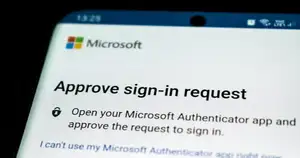
🔒 2. Enable Multi-Factor Authentication (MFA)
MFA prevents criminals from accessing accounts even if they have your password.
Guide:
👉 Multi-Factor Authentication
Use:
- Authenticator apps
- Security keys
- Avoid SMS when possible
📧 3. Protect Your Email Account
Your email is the “master key” for password resets.
Strengthen email security:
- Unique, strong password
- MFA enabled
- Updated recovery options
- Review connected apps
- Revoke access to unknown apps
🧹 4. Reduce Your Digital Footprint
Minimize personal info online — see:
👉 Privacy & Identity Protection
Limit sharing of:
- Birthdate
- Address
- Workplace
- Contact info
- Travel plans
- Children’s names
- Location tags
🚫 5. Avoid Public Wi-Fi for Sensitive Activity
Public networks expose your data.
If you must use public Wi-Fi:
- Use a VPN
- Avoid banking and email
- Don’t log into sensitive accounts
📱 6. Review App Permissions
Apps collect more data than websites.
Disable unnecessary access to:
- Location
- Camera
- Microphone
- Contacts
- Files
💳 7. Monitor Your Financial Accounts
Check regularly for:
- Unknown charges
- Unauthorized withdrawals
- New accounts
- Suspicious transfers
If anything looks strange, act immediately — see:
👉 Financial Fraud Guide
💬 8. Stay Alert to Social Media Scams
Scammers use:
- Fake profiles
- Impersonation
- Phishing links
- Fake investment groups
- Romance scams
Guide:
👉 Social Media Scams
🖥️ 9. Keep Devices Secure
Ensure your devices are clean and updated — see:
👉 Malware & System Defense
Do:
- Install updates
- Use antivirus tools
- Avoid unknown apps
- Disable sideloading
- Scan regularly
🏦 10. Freeze or Lock Your Credit (Important)
A credit freeze prevents criminals from opening new accounts in your name.
Benefits:
- Stops unauthorized loans
- Protects during breaches
- Protects after identity theft
- Recommended by security experts
🛑 What to Do If Your Identity Is Already Stolen
1️⃣ Change your passwords immediately
Start with email, banking, and social media.
2️⃣ Enable MFA
Stops further unauthorized access.
3️⃣ Contact your bank & freeze affected accounts
Prevent additional fraud.
4️⃣ Freeze your credit
This blocks new accounts from being opened.
5️⃣ Scan your devices
Look for spyware or keyloggers.
👉 Malware & System Defense
6️⃣ Review recent logins on all accounts
Sign out from unknown devices.
7️⃣ Report identity theft
Reporting helps prevent long-term damage.
8️⃣ Monitor your accounts long-term
Identity theft victims are often targeted again in the future.
📚 Summary
Identity theft is a serious and growing threat — but it is also highly preventable.
By securing your accounts, reducing your digital footprint, monitoring your financial activity, and understanding how scammers operate, you can significantly reduce your risk.
To continue improving your security: