Data Breach Protection
🔓 Data Breach Protection: What to Do Before, During & After a Data Leak (2025 Guide)
Data breaches have become a normal part of the digital world.
Every year, millions of people have their:
- Email addresses
- Passwords
- Phone numbers
- Home addresses
- Banking details
- Social media logins
- Government IDs
exposed through company breaches — even when they did nothing wrong.
This guide explains how data breaches happen and what you should do to protect yourself before, during, and after a leak.
For identity theft prevention after a breach, see:
👉 Identity Theft Protection
🔍 What Is a Data Breach?
A data breach occurs when unauthorized individuals access sensitive data from:
- Websites
- Online services
- Social networks
- Retailers
- Banks
- Apps
- Cloud storage
- Government systems
Breaches can expose:
- Login credentials
- Personal info
- Financial data
- Private messages
- Security questions
- Account recovery details
Once leaked, this information often appears on:
- Dark web markets
- Hacking forums
- Social media
- Scam networks
🔥 Why Data Breaches Matter
Criminals use stolen data to:
- Take over accounts
- Impersonate victims
- Empty bank accounts
- Steal identities
- Open loans and credit lines
- Commit fraud
- Launch phishing attacks
- Target your contacts
This often leads directly to account takeovers:
👉 Prevent Account Takeovers
🚨 Signs Your Data May Be in a Breach
You may be affected if you notice:
- Password reset emails you didn’t request
- Login attempts from unknown locations
- New devices linked to your accounts
- Suspicious emails pretending to be from companies you use
- Alerts from “Have I Been Pwned” or similar tools
- Unauthorized charges or logins
- Messages from apps asking you to “verify your identity”
These are often the first signs of identity theft.
🛡️ What to Do BEFORE a Data Breach Happens
The best protection is proactive security.
✔ 1. Use Strong, Unique Passwords
If one account is breached, you don’t want cybercriminals breaking into others.
Password guide:
👉 Strong Passwords
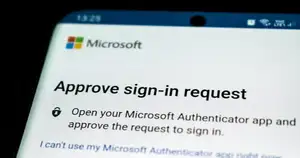
✔ 2. Enable Multi-Factor Authentication (MFA)
Even if your password is stolen, MFA blocks attackers.
Guide:
👉 Multi-Factor Authentication
✔ 3. Limit What Personal Data You Share Online
Social media exposes:
- Birthdates
- Addresses
- Family names
- Photos of IDs
- Phone numbers
Less data = less risk.
See:
👉 Privacy & Identity Protection
✔ 4. Don’t Reuse Security Questions
Attackers search your social media to guess answers.
Use random answers stored in a password manager.
✔ 5. Keep Your Devices Secure
Breaches often lead to targeted attacks.
Protect your system:
👉 Malware & System Defense
✔ 6. Avoid Using the Same Email for Every Account
If you can, use separate emails for:
- Banking
- Shopping
- Social media
- Subscriptions
This reduces the fallout of a leak.
🧨 What to Do DURING a Data Breach
If a company notifies you — or you hear about a leak — act fast.
🚨 1. Change Your Password Immediately
Start with the breached service.
Then change passwords on ANY site where you reused the same password.
🚨 2. Enable or Re-Enable MFA
Turn on MFA to block attackers from logging in with stolen data.
🚨 3. Check for Unauthorized Logins
Look for:
- Unknown devices
- Suspicious locations
- New browser sessions
If found → log them out and reset everything.
🚨 4. Check Your Email for Password Reset Attempts
Criminals often try to take over multiple accounts once they get your info.
🚨 5. Monitor Payment Methods
If financial details were leaked:
- Contact your bank
- Check transactions
- Request a new card
- Freeze your credit if necessary
Related guide:
👉 Financial Fraud
🚨 6. Beware of Follow-Up Scams
Scammers may pretend to be:
- The breached company
- Support teams
- “Fraud specialists”
- Government agencies
They might request:
- Verification codes
- Password resets
- Personal data
Never share codes — this leads to instant account takeover.
🩹 What to Do AFTER a Data Breach (Long-Term Protection)
✔ 1. Monitor Your Accounts Continuously
Especially sensitive ones:
- Banking
- Social media
- Cloud storage
✔ 2. Check If Your Data Was Sold Online
Use breach-checking tools to see if your information is circulating.
✔ 3. Update Old or Weak Passwords
Data breaches often reveal poor password habits.
Use the strength guide:
👉 Strong Passwords
✔ 4. Freeze Your Credit
Prevents criminals from applying for:
- Loans
- Credit cards
- Financing
- Contracts
Especially useful if ID numbers or financial data leaked.
✔ 5. Replace Exposed Documents (If Necessary)
If your:
- Passport
- ID
- Driver’s license
was compromised, request replacements.
✔ 6. Remove Unused Apps and Accounts
Old accounts are often the first to be breached.
✔ 7. Stay Alert for Targeted Phishing Attempts
After a breach, scammers often send:
- Fake “security alerts”
- “Account locked” messages
- “Update your info” requests
Always verify links:
👉 Verify Website Legitimacy
🛑 When to Take Serious Action
If you see:
- Money missing
- New accounts opened
- Tax identity fraud
- Unauthorized credit checks
- Multiple password reset requests
- Locked accounts
Act immediately.
These are signs of identity theft:
👉 Identity Theft Protection
📚 Summary
Data breaches are now a normal part of digital life — but you can significantly reduce the damage by using strong passwords, MFA, careful online habits, and rapid response actions.
Protect yourself further with these essential guides: