Deepfake & AI Scams
🤖 Deepfake & AI Scams: What to Watch For in 2025
Deepfake scams and AI-powered fraud have become one of the biggest security threats of 2025.
Criminals now use artificial intelligence to create realistic fake voices, videos, images, messages, and chat conversations that are nearly impossible to distinguish from the real thing.
Understanding these scams is essential for protecting your identity, finances, and online accounts.
To understand the psychological manipulation behind these attacks, see our core guide on
👉 Social Engineering
🧭 What Are Deepfake & AI Scams?
A deepfake or AI scam uses artificial intelligence to:
- Impersonate real people
- Generate fake audio or video
- Clone voices
- Create realistic fake profiles
- Produce AI-written messages
- Automate phishing conversations
The goal is to deceive, manipulate, or financially exploit victims.
These tactics are rapidly growing alongside broader fraud trends described in
👉 Online Scams 2025
🔥 The Most Common Deepfake & AI Scams in 2025
1️⃣ AI Voice Cloning Scams
AI can now clone a person’s voice with just a few seconds of audio.
Criminals use cloned voices to:
- Pretend to be family members
- Fake emergencies
- Request urgent money
- Impersonate company executives
- Bypass voice-based authentication
This scam often overlaps with payment-based fraud explained in
👉 Payment App Scams
2️⃣ Deepfake Video Calls
Scammers use AI avatars to appear as:
- A boss or manager
- A romantic interest
- A recruiter
- Customer support
- A celebrity
- A coworker
These video calls can look shockingly real.
3️⃣ AI-Generated Dating & Romance Profiles
AI is used to create fake:
- Photos
- Videos
- Social media profiles
- Conversations
- Personalities
These scams support long-term manipulation described in
👉 Romance Scams
4️⃣ AI Customer Support Scams
Fake support agents now respond with:
- AI chatbots
- AI voice menus
- AI-generated emails
This makes scams much harder to spot.
See related:
👉 Fake Support Numbers
5️⃣ AI Phishing Emails & Messages
AI creates messages that are:
- Grammatically perfect
- Personalized
- Based on scraped social media data
- Contextual and believable
These are far more effective than traditional phishing.
See phishing fundamentals in
👉 Verify Website Legitimacy
6️⃣ Deepfake CEO or Executive Fraud
Cybercriminals impersonate executives using:
- Fake video calls
- Cloned voices
- AI-generated emails
They direct employees to:
- Transfer money
- Pay fake invoices
- Share sensitive files
- Reveal credentials
This is a modern twist on business fraud techniques.
7️⃣ AI-Powered Investment Scams
Scammers show deepfake videos of celebrities endorsing:
- Crypto platforms
- Trading apps
- Business opportunities
Deepfakes are also used to fake “profit dashboards.”
See similar patterns in
👉 Investment Scams
8️⃣ AI Account Takeover Tools
AI helps criminals:
- Guess security answers
- Generate phishing conversations
- Break weak passwords
- Recognize voice patterns
Learn how to defend against this in
👉 Prevent Account Takeovers
🚩 Warning Signs of a Deepfake or AI Scam
Look for:
- Slight delay in lip movement
- Inconsistent facial lighting
- Robotic or unnatural voice pauses
- Odd phrasing or off-topic responses
- Requests for money or sensitive information
- Urgent emotional pressure
- Restricted camera angles
- Poor video quality used intentionally
- Requests to bypass normal procedures
These warning signs closely match patterns explained in
👉 Fraud & Scams
🛡️ How to Protect Yourself from Deepfake & AI Scams
✔ 1. Use a “Verification Word” With Family Members
Agree with close family or staff on a code phrase that scammers cannot guess.
✔ 2. Never Trust Urgent Requests Based Solely on Voice or Video
Always verify using a separate communication method:
- Call the person back
- Use their known number
- Send a text to confirm
- Ask a personal question only they can answer
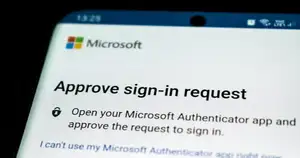
✔ 3. Use Strong MFA on All Accounts
This reduces the impact of voice-based impersonation attacks:
👉 Multi-Factor Authentication
✔ 4. Avoid Posting Excessive Audio/Video Online
Public videos, TikToks, and Instagram stories can be used to train AI models.
✔ 5. Scrutinize “Celebrity Endorsements”
Especially for:
- Crypto
- Trading bots
- Online investments
These are almost always fake.
✔ 6. Double-Check Job Offers & Recruiters
Scammers use AI profiles to create fake hiring managers.
See:
👉 Job Offer Scams
✔ 7. Protect Your Passwords & Recovery Settings
Use unique passwords and keep recovery info updated:
👉 Strong Passwords
✔ 8. Be Suspicious of “Perfect” Messages
If a message sounds too polished or unusually accurate, it may be AI-generated.
✔ 9. Verify All Payment Requests
Especially when:
- Requested via email
- Requested during video calls
- Requested by “executives”
- Requested urgently
- Requested via unusual payment methods
✔ 10. Educate Family & Employees
Deepfake scams often target:
- Older adults
- Teenagers
- Remote workers
- Finance departments
Awareness is one of the strongest defenses.
🛑 What to Do If You Suspect a Deepfake or AI Scam
1️⃣ Stop communicating immediately
Do not send money or information.
2️⃣ Verify the person through another channel
Call them or send a direct text.
3️⃣ Change compromised account passwords
Use:
👉 Strong Passwords
4️⃣ Enable MFA
5️⃣ Report the scam
Reporting helps prevent additional victims.
6️⃣ Scan your device for malware
If you clicked suspicious links:
👉 Malware & System Defense
📚 Summary
Deepfake and AI-powered scams are rapidly becoming one of the biggest security threats globally.
Criminals now use advanced tools to impersonate voices, faces, messages, and entire online identities.
But with strong verification habits, MFA, privacy awareness, and skepticism toward unexpected requests, you can protect yourself.
To continue strengthening your fraud awareness, explore: