Verify Website Legitimacy
🔍 How to Tell If a Website Is Safe: Website Legitimacy Verification Guide (2025)
Fake websites are one of the most common tools used by scammers in 2025.
Cybercriminals create convincing copies of:
- Banks
- Retail stores
- Delivery companies
- Government services
- Investment platforms
- Payment portals
- Crypto exchanges
- Airline or hotel websites
- Social media login pages
These fraudulent sites are designed to steal passwords, financial information, or money.
Before you click, log in, or pay, follow this guide to determine whether a website is legitimate.
To learn how scammers pressure victims into clicking dangerous links, start with:
👉 Social Engineering
🧭 Step 1: Check the Website URL Carefully
✔ 1. Look for misspellings or extra words
Fake sites often use:
- amaz0n.com
- paypa1-support.com
- micros0ft-security-alert.com
- dhl-delivery-confirm.com
Even a single wrong letter means the site is fake.
✔ 2. Check for strange domain endings
Scammers use cheap domains such as:
- .shop
- .top
- .info
- .buzz
- .xyz
Not all are bad — but they are more commonly abused.
✔ 3. Beware of long or complicated URLs
Scam URLs may contain:
- Random numbers
- Unnecessary words
- Extra path segments
Legitimate companies keep URLs clean.
✔ 4. Look at the domain age
Newly created domains are often scams.
You can check age with online WHOIS tools.
🛑 Step 2: Verify the Website Connection (HTTPS ≠ Safety)
Many people believe that “HTTPS means safe.”
This is false — scammers also use HTTPS.
But it’s still important to check:
- The padlock icon
- The valid certificate
- The correct company name in the certificate (for major brands)
If the certificate is missing or invalid → never enter personal information.
🧪 Step 3: Analyze the Website’s Design & Content Quality
Fake websites often have:
❌ Low-quality or blurry images
❌ Grammar mistakes
❌ Generic or stolen text
❌ Missing pages (About, Contact, Terms of Service)
❌ Inconsistent branding
❌ Fake customer reviews
❌ Poor mobile layout
Compare it to the official company website if unsure.
🧾 Step 4: Check the Contact Information
Legitimate websites provide:
- Company address
- Verified email address
- Phone number
- Customer service channels
Fake sites often have:
❌ No contact page
❌ Only a form
❌ Generic emails (Gmail, Outlook, Yahoo)
❌ Fake or unverifiable addresses
If the only payment method is gift cards or crypto, see:
👉 Payment App Scams
🛍️ Step 5: For Online Stores — Check These Specific Red Flags
Fake stores:
- Offer massive discounts (70–90% off)
- Have no reviews or fake reviews
- Use stolen product photos
- Have poor return/refund policies
- Require payment via risky methods
For more details, see:
👉 Fake Online Stores (if you already added this page)
📬 Step 6: Consider How You Found the Website
Ask yourself:
- Did you click a link in a message?
- Did it come from social media?
- Was it a sponsored ad?
- Did someone send it on WhatsApp/Telegram?
Many scam websites spread through:
👉 Social Media Scams
If you didn’t manually search for the company, be extra cautious.
🕵️ Step 7: Look Up Independent Reviews
Search for:
- “company name + scam”
- “website name + reviews”
- “is [website] legit?”
You can also check:
- Trustpilot
- Better Business Bureau
- Scamwatch reports
- Consumer forums
If you find consistent warnings — avoid the site.
🧱 Step 8: Check for Required Legal Pages
Legitimate businesses include:
- Privacy policy
- Terms of service
- Return/refund policy
- Shipping policy
- Cookie policy
Scam sites often copy/paste these from other pages — poorly.
🔐 Step 9: Check Account Security Behavior
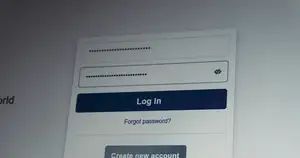
Fake login pages:
- Ask for your login twice
- Redirect you after entering credentials
- Show error messages designed to capture data
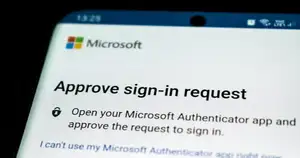
- Ask for MFA codes (never give these!)
If you enter your password on a fake site, immediately secure yourself using:
👉 Prevent Account Takeovers
🛡️ Step 10: Use Tools to Analyze Website Safety
These tools help verify:
- Domain reputation
- SSL validity
- Malware presence
- Phishing indicators
Use:
- Google Safe Browsing
- VirusTotal URL scan
- WHOIS lookup
- Scam Advisor
- BuiltWith (for analyzing tech stack)
But remember:
Tools assist — they do not replace your own judgment.
🚨 Red Flags That a Website Is 100% a Scam
If you see ANY of these, leave immediately:
- Only payment option is gift cards, crypto, or wire transfer
- No company information
- Unbelievable discounts
- Poor spelling or grammar
- Pushy, urgent messages
- Fake live chat agents
- Suspicious pop-ups
- Anonymous or missing contact info
- Strange URL differences (e.g., amaz0n.store)
- “Limited stock—act now!” pressure tactics
These match broader fraud trends in:
👉 Fraud & Scams
🛑 What to Do If You Entered Information on a Fake Website
1️⃣ Change your passwords immediately
Especially for email and financial accounts.
See:
👉 Strong Passwords
2️⃣ Enable MFA
This prevents further access.
👉 Multi-Factor Authentication
3️⃣ Contact your bank
Request:
- Card cancellation
- Fraud block
- Replacement cards
4️⃣ Monitor your accounts
Financial fraud details:
👉 Financial Fraud Guide
5️⃣ Scan your device
If you downloaded attachments.
See:
👉 Malware & System Defense
6️⃣ Report the fake website
It helps protect others.
📚 Summary
Fake websites are everywhere — from phishing pages and fake stores to fraudulent investment platforms.
But with careful URL checks, payment caution, independent verification, and awareness of red flags, you can avoid becoming a victim.
To continue improving your digital safety, explore: