Privacy & Identity
🛡️ How to Protect Your Privacy Online (2025 Guide)
Your online privacy is under constant pressure from advertisers, data brokers, cybercriminals, smart devices, and the platforms you use daily.
Every action you take — searches, purchases, social media activity, messages, app usage — contributes to your digital footprint.
This guide explains how to protect your personal data, reduce tracking, prevent identity theft, and secure your digital life.
To understand the psychology behind manipulation and data theft, see
👉 Social Engineering
🔍 What Is Online Privacy?
Online privacy includes:
- Protection of personal data
- Control over what information is collected
- Secure communication
- Safe account access
- Limited tracking
- Protection from identity theft
- Control over your digital footprint
Privacy overlaps heavily with the security topics covered in:
👉 Identity Theft Protection
🔥 Why Online Privacy Is More Important Than Ever
In 2025, online privacy risks include:
- Data breaches
- Malware
- Identity theft
- AI-driven profiling
- Social media scraping
- Targeted scams
- Deepfake impersonation
- Account takeover attacks
Scammers now use personal data to tailor highly convincing fraud — see
👉 Prevent Account Takeovers
🔐 Step 1: Secure All Your Accounts
Your accounts are the gateway to your digital identity.
✔ Use Strong Passwords
Every account must have a unique, complex password.
Guide:
👉 Strong Passwords
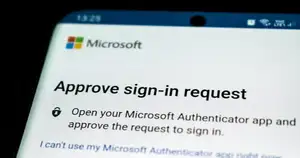
✔ Turn On Multi-Factor Authentication (MFA)
This adds a critical layer of protection.
Guide:
👉 Multi-Factor Authentication
✔ Protect Your Email Above All
Your email can reset the passwords of your other accounts.
Treat it like your digital identity vault.
✔ Update Your Recovery Options
Make sure your:
- Backup email
- Recovery phone
- Security questions
are all secure and up-to-date.
🔒 Step 2: Reduce Your Digital Footprint
✔ Limit Personal Information Online
Avoid posting:
- Your full birthday
- Phone number
- Address
- Workplace details
- Travel plans
- Photos showing sensitive locations
Criminals use this data to impersonate you — see:
👉 Identity Theft Protection
✔ Review Social Media Privacy Settings
Every platform allows you to control:
- Who sees your posts
- Who can message you
- Tagging permissions
- Profile visibility
- Location sharing
Guide:
👉 Social Media Scams
✔ Think Before You Share
If a scammer can use it against you, don’t post it.
🛑 Step 3: Protect Your Devices
Your devices often hold more personal information than your wallet.
✔ Keep Devices Updated
Install updates for:
- Operating systems
- Apps
- Browsers
- Security software
✔ Install Trusted Security Software
Anti-malware software helps prevent keyloggers, spyware, and remote access tools.
Guide:
👉 Malware & System Defense
✔ Avoid Jailbreaking or Sideloading Apps
These break core security protections.
✔ Lock Your Devices
Use:
- PIN
- Password
- Biometrics
🌐 Step 4: Protect Your Browsing and Online Activity
✔ Use a Privacy-Focused Browser
Browsers with built-in tracking protection help limit data harvesting.
✔ Enable “Do Not Track”
Not all websites respect it, but it still helps reduce tracking.
✔ Use a VPN on Public Wi-Fi
Public networks expose your browsing and data.
VPNs reduce this risk, especially during travel.
✔ Clear Cookies & Tracking Data Regularly
Tracking cookies slowly build a detailed profile of you.
✔ Use Private or Incognito Mode When Necessary
Useful for sensitive searches but not a full privacy solution.
📱 Step 5: Limit App Tracking & Permissions
Apps often collect:
- Contacts
- Location
- Microphone data
- Photos
- Browsing history
- Device activity
✔ Review App Permissions
Disable unnecessary permissions such as:
- Location
- Microphone
- Camera
- Contacts
- Bluetooth
✔ Delete Apps You Don’t Use
Each extra app increases privacy exposure.
✔ Be cautious with Social Login
Logging in with Google/Facebook shares additional data with platforms.
🏦 Step 6: Protect Your Financial Privacy
Your financial data is directly linked to fraud risk.
✔ Never Share Payment Information in Messages
Scammers exploit messaging platforms heavily.
✔ Monitor Bank & Card Accounts
Look for unusual transactions.
✔ Avoid Public Wi-Fi for Payments
Use mobile data instead.
✔ Use Secure Payment Methods
Avoid sending money to strangers using:
- Gift cards
- Crypto
- Fast payment apps
See:
👉 Payment App Scams
🎭 Step 7: Protect Against AI & Deepfake Risks
Scammers use AI to impersonate you and generate realistic content.
Deepfakes enable:
- Fake voice calls
- Fake video messages
- Fake identity documents
- Fake social media profiles
Learn more here:
👉 Deepfake & AI Scams
📵 Step 8: Protect Your Communication
✔ Use Encrypted Messaging
Prefer:
- Signal
- WhatsApp (encrypted chats)
- iMessage
✔ Be cautious with unknown links
Always verify before clicking.
Guide:
👉 Verify Website Legitimacy
✔ Avoid sharing sensitive data through email
Use secure platforms for document exchange.
🛑 Step 9: What to Do if Your Privacy Is Compromised
1️⃣ Change your passwords
Immediately protect your accounts.
2️⃣ Enable MFA
Adds strong protection.
3️⃣ Check if your data was exposed
Use breach-checking tools and update affected accounts.
4️⃣ Monitor your identity
Look for signs of misuse.
See:
👉 Identity Theft Protection
5️⃣ Scan your device for malware
If you clicked suspicious links.
See:
👉 Malware & System Defense
6️⃣ Secure your social media
Change passwords and remove unauthorized sessions.
📚 Summary
Your personal data is valuable — not just to you, but to advertisers, platforms, data brokers, and cybercriminals.
By reducing your digital footprint, securing your accounts, managing app permissions, and protecting your devices, you can significantly improve your online privacy.
To continue strengthening your security knowledge, explore: