Top Online Scams in 2025 and How to Avoid Them
🚨 Top Online Scams in 2025 and How to Avoid Them
Online scams continue to evolve quickly, and 2025 is shaping up to be one of the most active years for cybercriminals.
Attackers now use AI tools, deepfake technology, automated social engineering, and highly realistic impersonation tactics to trick victims.
If you’re new to the world of fraud prevention, start by exploring our general Fraud & Scams section for foundational concepts.
🧭 Why Online Scams Are Increasing in 2025
Cybercriminals are improving their methods because:
- AI makes fake messages and voices more realistic
- More people are working remotely
- New payment platforms are emerging
- Economic pressure increases scam attempts
- Social engineering is easier through messaging apps
- Data breaches give criminals more personal information
Many scams begin with phishing — see how these attacks work in our Social Engineering guide.
🔥 The Most Common Online Scams in 2025
Below are the top scams you’re most likely to encounter this year, how they work, and how to avoid them.
1️⃣ AI-Generated Phishing Scams
Attackers use AI to create:
- Perfectly written emails
- Fake invoices
- Deepfake voices pretending to be coworkers or banks
- Realistic login pages
These scams are significantly harder to detect.
Warning signs include:
- Urgent requests
- Unexpected links or attachments
- Emails that look “too perfect” but feel unusual
- Voice messages that sound nearly identical to someone you know
To strengthen your defenses, review our tips in Cyber & Digital Security.
2️⃣ Fake Delivery Notification Scams
These messages claim:
- “Your package is delayed — update address.”
- “Customs fee required.”
- “You have a parcel waiting.”
They often link to phishing pages designed to collect personal or payment details.
You can learn how to spot message-based scams in the Fraud & Scams category.
3️⃣ Investment & Crypto Scams
2025 continues to see:
- Fake trading platforms
- AI “investment bots”
- Celebrity-endorsed crypto ads
- Ponzi schemes disguised as “financial communities”
If you’re interested in deeper analysis, check our dedicated page on Investment Scams.
4️⃣ Tech Support Impersonation Scams
Scammers pose as:
- Microsoft Support
- Apple Support
- Internet providers
- Antivirus companies
Their goal is to trick you into:
- Downloading malware
- Granting remote access
- Paying fake repair fees
Any unexpected tech support request should be treated as suspicious.
Read more about malware risk in Malware & System Defense.
5️⃣ Romance & Relationship Scams
These remain extremely common and increasingly sophisticated.
Signs include:
- Fast emotional attachment
- Refusal to video chat
- “Emergencies” requiring money
- Requests for gift cards or crypto
See our coverage of personal manipulation tactics within Social Engineering.
6️⃣ Fake Job & Remote Work Scams
Scammers pretend to be:
- Recruiters
- HR managers
- Remote job platforms
- Gig economy companies
They often ask for:
- “Training fees”
- Personal data
- Bank details
- Copies of IDs
Always verify company websites and job listings directly.
7️⃣ Online Shopping Scams
Fake stores are targeting:
- Electronics
- Clothing and sneakers
- Luxury goods
- Home fitness equipment
- Pet supplies
Warning signs include:
- No real customer reviews
- Prices far below market
- No physical address
- No refund policy
8️⃣ Subscription Renewal Scams
Emails pretending to be:
- Norton
- McAfee
- Amazon
- PayPal
- Microsoft
They include false invoices or renewal notices designed to make you panic and call a fake support number.
See how credential theft begins in Cyber & Digital Security.
9️⃣ Data Breach Impersonation Scams
Criminals contact victims pretending to be:
- Banks
- Security teams
- Government agencies
They claim they’re “helping you recover your identity” but are actually stealing it.
Learn how to protect yourself in Privacy & Identity Protection.
🔍 How to Avoid Online Scams in 2025
✔ Verify the Source
Never trust links or messages based solely on appearance.
✔ Use MFA on All Accounts
Learn how it works in our guide on Multi-Factor Authentication.
✔ Never Pay with Gift Cards or Crypto
These are the preferred methods of scammers.
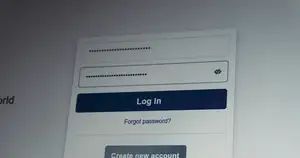
✔ Double-Check Login URLs
Fake login pages are extremely common.
✔ Ignore Urgent Pressure Messages
Scammers rely on panic to make you act without thinking.
✔ Protect Your Home Network
Review our full guide in Network & IoT Hardening.
✔ Keep Your Device Safe
Malware infections often lead to fraud — see our section on Malware & System Defense.
🛑 What to Do If You Think You’ve Been Scammed
1️⃣ Stop all communication immediately
Do not respond further.
2️⃣ Change your passwords
Start with email and banking accounts.
3️⃣ Enable MFA
See our setup instructions in Multi-Factor Authentication.
4️⃣ Contact your bank if money was sent
They may be able to reverse or block the transaction.
5️⃣ Scan your device
Use trusted tools listed in Malware & System Defense.
6️⃣ Report the scam
Your report helps prevent further victims.
📚 Summary
Online scams in 2025 are more sophisticated than ever, but with the right knowledge and habits, you can stay safe.
By securing your accounts, recognizing manipulation tactics, and avoiding suspicious messages, you dramatically reduce your risk.
To continue building your fraud awareness, explore: