Prevent Account Takeovers
🔐 Prevent Account Takeovers: How to Stop Hackers From Accessing Your Accounts (2025 Guide)
Account takeovers (ATOs) are one of the most damaging cybercrimes in 2025.
Once a criminal gains access to your email, banking, or social media account, they can:
- Reset other passwords
- Lock you out permanently
- Steal money or crypto
- Impersonate you
- Access private conversations
- Target your contacts
- Commit identity theft
This guide teaches you how account takeovers happen — and how to stop them.
To understand the manipulation behind these attacks, read:
👉 Social Engineering
🔍 What Is an Account Takeover?
An account takeover is when an attacker gains unauthorized access to your online account.
This is often done through:
- Stolen passwords
- Phishing
- Weak security settings
- Malware infections
- Social engineering
- Device compromise
Once inside, attackers can cause long-term damage to your identity.
Learn more in:
👉 Identity Theft Protection
🔥 How Attackers Take Over Your Accounts
1️⃣ Password Reuse
If you reuse a password and one site is breached, attackers try that password everywhere.
This is why each password must be unique:
👉 Strong Passwords
2️⃣ Phishing & Fake Websites
Attackers trick you into entering your login on a fake page.
Guide:
👉 Verify Website Legitimacy
3️⃣ Stolen Email Accounts
Email is the “master key” to your digital life.
If attackers control your email, they can reset all other accounts.
4️⃣ Weak or Missing MFA
If MFA is absent or weak (SMS only), your accounts are more vulnerable.
Enable MFA everywhere:
👉 Multi-Factor Authentication
5️⃣ Malware & Keyloggers
Malware can steal:
- Passwords
- Cookies
- Text messages
- Authentication codes
Protect your device:
👉 Malware & System Defense
6️⃣ Social Media Manipulation
Attackers impersonate friends or customer support.
Common in:
👉 Social Media Scams
7️⃣ SIM Swap Attacks
Attackers take control of your phone number, receiving your 2FA codes.
This is why SMS-based MFA is less safe.
Use app-based MFA instead.
🛑 Warning Signs of an Account Takeover
Look out for:
- Unknown login notifications
- Password reset emails you didn’t request
- Account recovery attempts
- New devices logged in
- Messages sent without your knowledge
- Money disappearing from accounts
- Apps or browser extensions you didn’t install
- Emails deleted or marked as read
- Social media activity you didn’t post
If you notice any of these, act immediately.
🛡️ How to Prevent Account Takeovers (Expert-Level Steps)
Below are the most effective security practices used by cybersecurity professionals.
🔐 1. Use Strong, Unique Passwords for Every Account
This prevents credential stuffing and brute-force attacks.
Guide:
👉 Strong Passwords
Use a reputable password manager.
🔒 2. Enable Multi-Factor Authentication (MFA) Everywhere
MFA blocks most takeover attempts.
Uses:
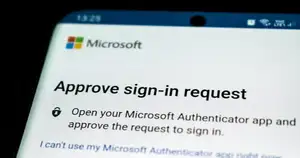
- Authenticator apps
- Security keys (strongest)
- Hardware tokens
Avoid relying on SMS codes.
Guide:
👉 Multi-Factor Authentication
📧 3. Protect Your Email Above All Else
Your email controls every other account.
Strengthen email security by:
- Enabling MFA
- Reviewing recovery options
- Checking for unauthorized sessions
- Removing old connected apps
- Using a strong, unique password
🧹 4. Review Your Account Recovery Settings
Ensure you have:
- Updated phone number
- Updated backup email
- Multiple recovery factors
- Security questions that are NOT guessable
Recovery settings must never include personal life details.
🛑 5. Never Share Verification Codes
Attackers frequently use “code scams” such as:
- “Send me the code you received by mistake.”
- “Your bank needs this verification code.”
Never share codes with anyone — not even tech support.
🖥️ 6. Secure Your Devices
Account takeovers often begin with malware infections.
Follow:
👉 Malware & System Defense
Key steps:
- Update OS
- Update apps
- Install security software
- Remove suspicious extensions
- Avoid unknown downloads
🔐 7. Use Device Lock Screen Protection
A stolen phone with no lock screen allows attackers to access everything.
Use:
- Strong PIN
- Password
- Biometrics
Avoid simple PINs (1234, 0000, birthdays).
🌐 8. Avoid Logging Into Accounts on Public Wi-Fi
Public networks allow attackers to intercept:
- Passwords
- Cookies
- Session tokens
If you must use public Wi-Fi:
- Use a VPN
- Avoid banking and email
🧩 9. Review and Remove Third-Party App Access
Apps connected to your:
- Microsoft
- Apple
- Email accounts
may have excessive permissions.
Remove apps you do not recognize or no longer use.
🔍 10. Regularly Check Active Sessions
Most services show your active logins.
Check for:
- Unknown devices
- Strange locations
- Browser types you don’t use
- Login times you don’t recognize
Immediately log out of suspicious sessions.
🚨 What to Do If Your Account Is Already Taken Over
1️⃣ Try to reset your password
If successful → immediately enable MFA.
2️⃣ Use account recovery options
Follow legitimate recovery processes.
3️⃣ Check for unauthorized sessions
Log them out.
4️⃣ Remove suspicious apps or devices
Disconnect third-party access.
5️⃣ Change your email password
If your recovery email is compromised, all accounts are at risk.
6️⃣ Contact support
Major platforms can help you regain access.
7️⃣ If financial accounts are involved
Contact your bank immediately.
See:
👉 Financial Fraud Guide
8️⃣ Scan your device
Look for malicious apps or malware.
👉 Malware & System Defense
📚 Summary
Account takeovers are preventable with strong digital hygiene.
By using unique passwords, enabling MFA, securing devices, avoiding risky links, and monitoring account activity, you can protect your identity, finances, and online presence.
Continue your cybersecurity learning with: