Cybersecurity Tips for Remote Workers
🏡 Cybersecurity Tips for Remote Workers
Remote work has become the new standard for millions of people.
But working from home creates new security challenges: unsecured Wi-Fi, personal devices, shared spaces, and unfamiliar tools.
These risks can lead to data breaches, malware infections, or unauthorized access to sensitive accounts.
If you’re new to digital protection, start with the fundamentals in our Cyber & Digital Security section.
🧭 Why Remote Workers Are Targeted
Cybercriminals frequently target remote employees because:
- Home networks are often less secure than office networks
- Personal devices may lack security updates
- Phishing attacks are easier when communication is digital
- Employees rely heavily on cloud tools
- Work and personal accounts are often mixed
- Network segmentation is rarely used at home
Many ransomware infections begin with compromised remote devices, which we explain in detail on our Ransomware page.
🔐 Essential Security Tips for Remote Work
1️⃣ Secure Your Home Wi-Fi
Your Wi-Fi is the gateway to all your devices.
Follow our full guide in Network & IoT Hardening.
Checklist:
- Use WPA3 or WPA2
- Change default router password
- Disable WPS
- Update your router’s firmware
- Create a guest network for IoT or visitors
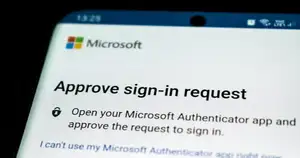
2️⃣ Use a Strong Password + MFA on All Work Accounts
Passwords are the first line of defense — and often the weakest.
Review our guides:
Enable MFA on:
- File storage
- Collaboration tools
- VPNs
- Cloud apps
3️⃣ Keep Your Work Devices Updated
Outdated systems are easy for attackers to exploit.
Update regularly:
- Operating system
- Browser
- Office apps
- Security tools
More best practices can be found in our Tools & Checklists article.
4️⃣ Use a VPN When Accessing Company Resources
A VPN encrypts traffic so attackers cannot spy on your data or intercept sensitive information.
This is especially important if you work from:
- Cafés
- Hotels
- Airports
- Shared spaces
Learn more about privacy tools in Privacy & Identity Protection.
5️⃣ Be Hyper-Aware of Phishing Attempts
Remote workers depend heavily on email, making phishing attacks extremely common.
See our full guide:
👉 Phishing Attacks: How to Spot and Avoid Them
Red flags include:
- Urgent or threatening language
- Strange sender addresses
- Unexpected attachments
- Misspelled domain names
- Messages asking you to “verify” credentials
6️⃣ Use Work Devices Only for Work
Avoid mixing personal and professional activities.
Why this matters:
- Personal downloads can introduce malware
- Family members may accidentally access work tools
- Browsing patterns may expose sensitive data
If you must use one device for both, apply strict cyber hygiene from our Cyber & Digital Security guide.
7️⃣ Enable Full-Disk Encryption
Encryption protects your data if your laptop or phone is lost or stolen.
Most devices support it:
- Windows: BitLocker
- macOS: FileVault
- Android: Built-in encryption
- iOS: Built-in encryption
8️⃣ Lock Your Screen When Stepping Away
A simple step that prevents unauthorized access — especially if you work around others.
9️⃣ Avoid USB Drives From Unknown Sources
USB devices can deliver malware instantly.
If you need to share files, use secure cloud services instead.
🔟 Back Up Important Files Regularly
Backups protect you from ransomware and hardware failure.
Backup options:
- Cloud storage
- External drives
- Automatic sync tools
Details on backup hygiene are available in Cyber & Digital Security.
🛡️ Additional Security Measures for Remote Teams
✔ Use Company-Approved Software
Unauthorized tools may store or transmit data insecurely.
✔ Enable Workspace Separation
If possible, create separate accounts or profiles for:
- Work
- Personal use
✔ Monitor Account Activity
Check for:
- Unknown logins
- New connected devices
- Suspicious file access
📚 Summary
Working remotely offers flexibility, but it also expands your attack surface.
By securing your Wi-Fi, using strong passwords, enabling MFA, avoiding phishing, and keeping your devices updated, you dramatically reduce your risk.
To continue improving your security posture, explore: