Phishing Attacks
🎣 Phishing Attacks: How to Recognize & Avoid Email, SMS & Voice Phishing (2025 Guide)
Phishing attacks are the most common way criminals steal passwords, bank details, personal information, and access to your accounts.
These attacks have become more sophisticated — often using AI-generated messages, cloned websites, fake delivery alerts, and impersonated businesses.
This guide explains how phishing works, how to detect it, and how to stay protected.
To understand the manipulation techniques behind phishing, see:
👉 Social Engineering
🔍 What Is a Phishing Attack?
A phishing attack is when a scammer pretends to be a trusted company or person to trick you into:
- Clicking a malicious link
- Entering login or payment details
- Downloading malware
- Calling fake support numbers
- Revealing personal information
- Approving unauthorized transactions
Phishing typically leads to:
- Identity theft
- Account takeover
- Financial loss
- Device compromise
- Data theft
Learn how to prevent full account compromise here:
👉 Prevent Account Takeovers
🔥 Common Types of Phishing Attacks
1️⃣ Email Phishing
Fake emails pretending to be from:
- Banks
- Delivery companies
- Social media platforms
- Cloud services
- Government agencies
These emails usually contain:
- Fake security alerts
- “Password reset needed” messages
- “Suspicious login detected” notices
- Attachments that contain malware
Learn to verify URLs here:
👉 Verify Website Legitimacy
2️⃣ SMS Phishing (Smishing)
Attackers send text messages that appear from:
- Delivery services
- Banks
- Phone carriers
- Payment apps
- Government agencies
Common examples:
- “Your package is waiting — pay the fee here.”
- “Your account will be closed — verify now.”
Related:
👉 Fake Delivery Scams
3️⃣ Voice Phishing (Vishing)
Scammers call pretending to be:
- Bank fraud departments
- Tech support
- Government agencies
- Amazon or PayPal
- Courier companies
They often:
- Create urgency
- Claim your account is compromised
- Request your details
- Ask for verification codes
Never share codes — this leads to instant account takeover.
4️⃣ QR Code Phishing
Malicious QR codes lead to fake:
- Login pages
- Payment portals
- Malware downloads
Full guide:
👉 QR Code Scams
5️⃣ Social Media Phishing
Attackers use:
- Fake profiles
- Hacked accounts
- Fake support accounts
- DM links pretending to be “verification”
See:
👉 Social Media Scams
6️⃣ Business Email Compromise (BEC/CEO Fraud)
A high-level scam targeting companies.
Attackers impersonate:
- CEOs
- Managers
- HR or Finance staff
- Vendors
They request urgent payments or confidential files.
7️⃣ Clone Website Phishing
Criminals recreate realistic websites that look identical to:
- Banks
- Online stores
- Email portals
- Crypto exchanges
Only the URL gives them away.
🚩 Red Flags That Indicate a Phishing Attack
Be alert if you notice:
- Urgency (“Act now”, “Immediate action required”)
- Misspelled domain names
- Strange sender emails
- Requests for personal data
- Unexpected attachments
- Login pages asking for too much info
- Messages with poor grammar
- Generic greetings (“Dear user”)
- Password reset emails you didn’t request
- Requests for verification codes
Phishing often leads directly to identity theft:
👉 Identity Theft Protection
🧪 How to Check If an Email, Link, or Message Is Real
✔ 1. Inspect the URL
Look for:
- Misspellings
- Extra characters
- Wrong domain extensions
Learn URL verification here:
👉 Verify Website Legitimacy
✔ 2. Confirm the Sender Email
Legitimate companies use:
- Corporate domains
- No random numbers
- No free email services
✔ 3. Check for Urgency or Threats
Scammers use pressure to make you act fast.
✔ 4. Never Click Links in Suspicious Messages
Go directly to the official website instead.
✔ 5. Hover Over Links (On Desktop)
This reveals the real destination before clicking.
✔ 6. Verify Through a Secondary Channel
If a bank contacts you → call them using the number from their official website.
✔ 7. Don’t Download Unexpected Attachments
These may contain:
- Malware
- Keyloggers
- Spyware
Protect your device here:
👉 Malware & System Defense
🛡️ How to Protect Yourself from Phishing Attacks
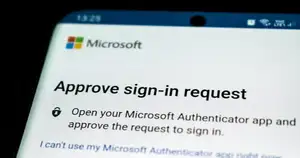
✔ 1. Enable Multi-Factor Authentication (MFA)
Even if a scammer steals your password, MFA blocks access.
Guide:
👉 Multi-Factor Authentication
✔ 2. Use Strong, Unique Passwords
Prevents widespread damage if one password is stolen.
✔ 3. Keep Your Devices Secure
Install updates and use reliable security software.
✔ 4. Avoid Sharing Personal Information Over Messages
Legitimate companies never request:
- Passwords
- Two-factor codes
- Full card numbers
- Full SSNs or IDs
✔ 5. Use Official Apps
For banks, deliveries, and shopping, apps are safer than email links.
✔ 6. Check Account Activity Regularly
Look for:
- Login attempts
- Password reset requests
- New devices
✔ 7. Educate Family Members
Older adults and teens are high-risk groups.
🛑 What to Do If You Clicked a Phishing Link
1️⃣ Close the page immediately
Do not enter info.
2️⃣ Disconnect from the internet
Stops data leaks.
3️⃣ Change your passwords
Especially for email, bank, and high-value accounts.
4️⃣ Enable MFA
This stops attackers from logging in.
5️⃣ Check account activity
Look for unauthorized logins.
6️⃣ Notify your bank (if payment info was submitted)
7️⃣ Scan your device
Look for malware infections.
8️⃣ Report the phishing attempt
Helps prevent further victims.
📚 Summary
Phishing attacks are the most common gateway to fraud, account takeovers, and identity theft — but they are preventable.
By learning to detect fake messages, verifying URLs, enabling MFA, and securing your devices, you dramatically reduce your risk.
Continue improving your security knowledge with: