Safe Online Dating
❤️ Safe Online Dating: Avoid Catfishing, Romance Scams & Identity Theft (2025 Guide)
Online dating can be a great way to meet people — but it’s also a major target for scammers and impersonators.
Attackers use dating apps to steal money, personal information, and even identities. Some victims lose thousands of dollars or become targets of long-term manipulation.
This guide shows you how to safely use Tinder, Bumble, Hinge, Facebook Dating, and other platforms without becoming a victim.
Before you begin, learn how attackers use psychology to manipulate victims:
👉 Social Engineering
🔍 The Biggest Risks in Online Dating
Online dating exposes you to:
- Fake profiles (catfishing)
- Romance scams
- Identity theft
- Financial fraud
- Extortion (including sextortion)
- Stalking & harassment
- Fake investment opportunities
- Impersonation
- Blackmail
- Malware and phishing links
These scams often tie directly into identity theft:
👉 Identity Theft Protection
🎭 Step 1: Learn to Recognize Fake Profiles (Catfishing)
Catfishers use:
- Stock photos
- AI-generated faces
- Professionally stolen images
- Social media pictures from strangers
- Models or influencers
Red flags:
- Too few photos
- All photos look extremely polished
- No candid pictures
- Photos appear in reverse image searches
- Profile created recently
- Too perfect to be real
- Immediate emotional attachment
- Refuses video calls
- Avoids meeting in person
Reverse image search with:
- Google Image Search
- TinEye
- Yandex
💔 Step 2: Understand Romance Scam Tactics
Romance scammers follow predictable patterns:
✔ Fast emotional escalation
“Love bombing” to build attachment quickly.
✔ Dramatic personal stories
Sickness, emergencies, lost passports, job issues.
✔ Requests for money
Often disguised as:
- Travel fees
- Medical bills
- Investment opportunities
- Crypto transfers
- Family emergencies
- Business deals
For financial risks, see:
👉 Investment Scams
✔ Avoiding in-person meetings
They always have an excuse.
✔ Moving the conversation off the app
They push for:
- Telegram
- Signal
- SMS
This reduces platform moderation.
🛡️ Step 3: Protect Your Personal Information
Never share:
- Full name
- Home address
- Workplace
- Daily routines
- Passport/ID photos
- Your phone number (initially)
- Financial details
- Travel plans
- Location in real time
Everything above can be used to steal your identity:
👉 Identity Theft Protection
🧩 Step 4: Use Privacy Settings on Dating Apps
Most apps allow privacy controls such as:
✔ Hide your distance
Prevents location triangulation.
✔ Hide age or personal details
Restrict information available to strangers.
✔ Disable social media linking
Avoid connecting Instagram, Facebook, or TikTok.
✔ Control who can see you
Limit visibility to specific preference settings.
📸 Step 5: Share Photos Carefully
Avoid sharing photos that reveal:
- School or work badges
- Car license plates
- Home interior layout
- Children’s identities
- Travel locations
- Expensive belongings
Photos can leak more data than you expect.
🔐 Step 6: Secure Your Dating App Accounts
Use:
Strong, unique passwords
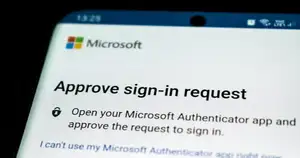
👉 Strong PasswordsMFA where available
👉 Multi-Factor AuthenticationEmail security best practices
👉 Prevent Account Takeovers
Dating apps are commonly targeted for account takeovers, then used to scam your matches.
🕵️ Step 7: Verify the Person Before Meeting
Use these verification steps:
✔ Ask for a live selfie
A quick photo holding up fingers or an object.
✔ Use video calls
Real people can appear on camera.
✔ Check social media consistency
Profiles should align across platforms.
See tips:
👉 Social Media Security
✔ Avoid last-minute excuses
Scammers avoid showing their real face.
🚫 Step 8: Beware of Investment or “Money-Making” Conversations
This scam is increasing rapidly.
Scammers may:
- Build trust for weeks
- Introduce crypto trading
- Share fake success screenshots
- Encourage you to “try a small amount”
- Move you to a fake financial platform
Learn how these scams work:
👉 Investment Scams
🔞 Step 9: Protect Yourself From Sextortion
Sextortion happens when someone:
- Tricks you into sending intimate photos
- Secretly records a video call
- Demands money to avoid sharing it
To avoid this:
- Do not send intimate content
- Avoid explicit video chats with strangers
- Cover your device camera when not in use
- Do not accept unverified video calls
- Verify who you’re talking to
- Avoid revealing your face in intimate photos
🚗 Step 10: Safe In-Person Meetings
If you choose to meet:
✔ Meet in a public location
Never at your home or theirs.
✔ Tell a friend where you’re going
Share the time and place.
✔ Arrange your own transport
Never accept rides from strangers.
✔ Keep your phone charged
And location services enabled for emergencies.
✔ Do not leave your drink unattended
Drink tampering is a risk.
🛑 Step 11: What to Do If You Suspect a Scam
1️⃣ Stop responding
Disengage immediately.
2️⃣ Report the profile
Dating apps take action quickly.
3️⃣ Do not send money
Under any circumstances.
4️⃣ Change your passwords
5️⃣ Enable MFA
6️⃣ Block the person
On all apps and platforms.
7️⃣ Document everything
Useful if law enforcement becomes involved.
🧯 Step 12: What to Do If You Were Scammed
1️⃣ Contact your bank
Request fraud holds or chargebacks.
2️⃣ File a report
Your country’s cybercrime center.
3️⃣ Secure your accounts
4️⃣ Scan your device for malware
5️⃣ Inform trusted people
Especially if impersonation is occurring.
📚 Summary
Online dating can be safe and enjoyable — but only if you protect your identity, your privacy, your accounts, and your emotional boundaries.
By recognizing fake profiles, avoiding financial traps, using strong security settings, and prioritizing personal safety, you dramatically reduce your risk.
Continue strengthening your digital and personal safety: