Cyber Hygiene Checklist
🧼 The Essential Cyber Hygiene Checklist
Good cyber hygiene is the foundation of staying safe online.
It protects you from malware, phishing, identity theft, and a wide range of digital threats.
If you’re just getting started with cybersecurity, this checklist is designed to give you simple, practical steps that make a huge difference.
For a broader understanding of digital safety, you may also want to browse our main Cyber & Digital Security section.
📌 Why Cyber Hygiene Matters
Most attacks don’t rely on hackers using advanced tools.
They rely on:
- Outdated software
- Weak passwords
- Unsafe browsing habits
- Clicking suspicious links
- Poor Wi-Fi security
These vulnerabilities often lead to malware infections, which we explain in detail under Malware & System Defense.
Practicing good cyber hygiene protects you from the majority of common threats.
📝 Quick Cyber Hygiene Checklist
✔ Passwords & Authentication
- Use strong, unique passwords for each account
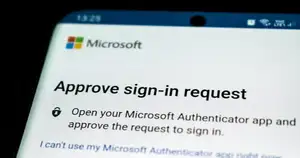
- Enable multi-factor authentication (MFA) wherever possible
- Do not reuse passwords between important accounts
- Use a password manager to keep track of everything
If you’re unfamiliar with MFA, you can find simple explanations in the Cyber & Digital Security category.
✔ Device Security
- Keep your operating system updated
- Update browsers and apps regularly
- Install reputable antivirus or anti-malware tools
- Remove unused apps you no longer trust
- Do not install apps from unknown sources
See our detailed protection recommendations in Malware & System Defense.
✔ Network Safety
- Use WPA3 or WPA2 encryption on your Wi-Fi
- Change default router login credentials
- Disable WPS and remote administration
- Create a guest network for visitors or IoT devices
A full guide to improving your router security is available under Network & IoT Hardening.
✔ Safe Browsing Habits
- Avoid clicking suspicious links
- Don’t download email attachments you weren’t expecting
- Only visit websites with HTTPS
- Avoid using public Wi-Fi without a VPN
- Be cautious of pop-ups claiming your device is infected
Learn how attackers manipulate victims in our guide on Social Engineering.
✔ Email & Communication Security
- Double-check the sender address before trusting an email
- Look for spelling mistakes or strange formatting
- Be skeptical of urgent or threatening messages
- Do not share personal information via email
Phishing is one of the most common threats — explore it deeper in Fraud & Scams.
✔ Privacy & Data Protection
- Review app permissions regularly
- Disable location access for apps that don’t need it
- Limit what you share on social media
- Use privacy-friendly browsers or extensions
- Back up your data regularly
More privacy guidance can be found under Privacy & Identity Protection.
🧠 Extra Tips for Strong Cyber Hygiene
🔄 Keep Backups
Regular backups protect you from ransomware and accidental data loss.
Use both cloud and offline backup solutions.
🔍 Check Your Accounts Regularly
Review your online accounts for:
- Unauthorized logins
- Connected devices
- Linked apps
- Suspicious activity
🏠 Secure Smart Home Devices
IoT devices often have weak security.
Managing them properly reduces risk — see more under Network & IoT Hardening.
📚 Summary
Good cyber hygiene doesn’t require advanced knowledge — just consistent habits.
By keeping software updated, using strong passwords, practicing safe browsing, and securing your home network, you’re already safer than most users online.
To continue strengthening your protection, explore: