Fraud & Scams
🕵️ Fraud & Scam Prevention
Fraudsters rely on psychology, urgency, and manipulation—not technical hacking—to deceive victims.
This section teaches you how modern scams work, how criminals build trust, and how to protect yourself from financial loss, identity exposure, and social engineering attacks.
Fraud often begins with emotional pressure or deception techniques commonly explained in our guide:
👉 Social Engineering
🔍 What This Category Covers
Fraud and scam prevention includes all forms of deception aimed at stealing:
- Money
- Personal information
- Account access
- Identity documents
- Financial credentials
This category provides clear, expert-led guidance across major threat areas:
- Investment scams
- Phishing & impersonation
- Fake technical support
- Online marketplace scams
- Identity-related fraud
- Social media scams
- Romance / trust-based manipulation
- Advance-fee and refund scams
For digital risks that exploit your information, also see:
👉 Identity Theft Protection
🧭 Key Fraud Types You Should Know
💸 Investment Scams
Criminals promise huge returns, use fake dashboards, impersonate financial advisors, or pressure you to “act fast.”
These scams often overlap with identity theft and rely heavily on emotional manipulation.
Read the full guide:
👉 Investment Scams
🎣 Phishing & Impersonation
The most common fraud worldwide.
Attackers pose as banks, delivery services, government agencies, or trusted contacts to obtain sensitive information.
Learn how to verify legitimacy:
👉 Verify Website Legitimacy
🖥️ Tech Support Scams
Scammers claim your computer is infected, push pop-ups, or call you pretending to be Microsoft, Apple, or your bank’s security team.
They often aim to install malware or obtain financial access.
👉 Tech Support Scams
📱 Social Media Manipulation
Fake profiles, fraudulent giveaways, impersonation, and relationship-based scams are rising sharply across major platforms.
Strengthen your protection:
👉 Social Media Security
🏦 Financial Fraud
Criminals use stolen or fabricated identities to open accounts, make unauthorized transactions, or steal credit information.
Common pathways into financial fraud begin with poor digital hygiene:
👉 Prevent Account Takeovers
🧠 How Fraudsters Think
Fraudsters rely on predictable human reactions:
- Urgency
- Fear
- Opportunity
- Sympathy
- Desire to trust
- Confusion
- Social pressure
Understanding these psychological levers dramatically lowers your risk of becoming a victim.
Learn more in:
👉 Social Engineering
🛡️ How to Protect Yourself From Scams
✔ Strengthen Your Digital Security
Secure accounts reduce the damage a scammer can do—even if they obtain some personal info.
Recommended essentials:
- Strong, unique passwords
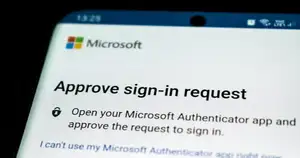
- Multi-Factor Authentication
- Secure browsing habits
- Regular device updates
Guides:
👉 Create Strong Passwords
👉 Multi-Factor Authentication
✔ Verify Before You Trust
Always confirm:
- Who you are speaking to
- Where a link leads
- Whether an offer is legitimate
- If a message is consistent with real company practices
When unsure → contact organizations using their official website, never through a link in a message.
✔ Never Share Codes, Passwords, or Personal Data
No legitimate bank, platform, or company will ever ask for:
- Verification codes
- Full credit card numbers
- Passwords
- Remote access
✔ Protect Your Devices
A compromised device makes financial fraud easier.
Review our digital defense essentials:
👉 Malware & System Defense
✔ Recognize High-Risk Situations
Be extra cautious when:
- Someone pressures you to act immediately
- A stranger requests money or refunds
- A platform asks for odd payment methods (crypto, gift cards, wire transfers)
- A seller refuses secure payment options
- You receive sudden warnings about “account closure” or “security alerts”
🛑 What to Do if You Suspect a Scam
1️⃣ Stop all communication
Do not send money or information.
2️⃣ Secure your accounts
Change passwords and enable MFA:
👉 Prevent Account Takeovers
3️⃣ Review financial accounts
Look for unauthorized charges or new accounts.
4️⃣ Document everything
Keep messages, screenshots, email headers, or transaction IDs.
5️⃣ Report to your local financial institution or platform
Banks and service providers can freeze or reverse transactions in some cases.
If personal data was exposed, follow:
👉 Identity Theft Protection
📚 Summary
Fraud & Scam Prevention is about recognizing deceptive tactics, verifying identities, and protecting yourself from both financial and personal harm.
By understanding how modern scams operate—and practicing good digital security—you significantly reduce your exposure to risk.
Continue learning with related topics: