How Scammers Clone Legitimate Websites: From Brand Copying to Credential Theft
How Scammers Clone Legitimate Websites: From Brand Copying to Credential Theft 🧬
Website cloning is one of the most effective techniques used in phishing and online scams. Instead of inventing something new, attackers copy what already works — trusted brands, familiar layouts, and known user flows.
At SECMONS, cloned websites are analyzed as trust hijacking tools. They do not need to be perfect. They only need to look real long enough to capture credentials, payment details, or sensitive information.
This article explains how scammers clone legitimate websites, why these clones are so convincing, and how this technique enables broader attacks.
What “Website Cloning” Actually Means 🧠
Website cloning is the process of creating a visual and functional copy of a legitimate website for malicious purposes.
A cloned site may replicate:
- branding and logos,
- layout and colors,
- login or checkout flows,
- wording and error messages.
The goal is not long-term operation. The goal is short-term trust.
Step 1: Selecting a High-Trust Target 🎯
Attackers choose targets based on:
- brand recognition,
- user volume,
- frequency of logins or payments,
- likelihood of urgent interaction.
Common targets include:
- email providers,
- cloud services,
- banks and payment platforms,
- delivery companies,
- government or utility portals.
The more familiar the brand, the less scrutiny users apply.
Step 2: Domain Selection and URL Tricks 🔍
Once a target is chosen, attackers register domains that look legitimate at a glance.
Typical techniques include:
- adding extra words (for example, “secure”, “verify”, “login”),
- subtle misspellings,
- using uncommon domain extensions,
- hiding the real domain behind long subdomains.
These domains are designed to survive quick visual checks, especially on mobile devices. This tactic is heavily used in Phishing Attacks.
Step 3: Copying Visual Assets and Layouts 🧩
Cloned sites often reuse:
- HTML and CSS from the real site,
- images and icons loaded directly from the original domain,
- screenshots turned into static pages,
- open-source templates modified to match branding.
Because the visual layer is familiar, users focus less on technical details and more on completing the expected action.
This is why visual similarity alone is not a reliable trust signal, a concept also discussed in Browser Security.
Step 4: Recreating Login and Interaction Flows 🔐
The most valuable pages are not the homepage — they are the interaction points.
Attackers carefully replicate:
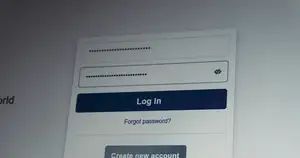
- login forms,
- password reset pages,
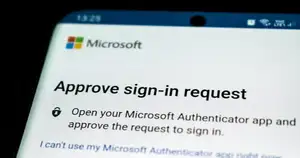
- verification prompts,
- payment or confirmation steps.
In many cases, the form does not validate credentials at all. It simply captures and forwards them to the attacker, then redirects the victim to a real page to reduce suspicion.
This technique is a common entry point for Account Takeovers.
Step 5: Hosting, HTTPS, and Infrastructure Masking ⚙️
To increase credibility, attackers:
- host sites on reputable cloud providers,
- enable HTTPS by default,
- rotate infrastructure frequently,
- use content delivery networks to hide origin servers.
This makes takedown harder and reinforces false trust, especially for users who associate HTTPS with safety.
Why Cloned Websites Are Hard to Spot 🚩
Cloned sites are effective because they:
- look familiar,
- behave as expected,
- appear at the right moment (after an email or message),
- match real workflows users already know.
Victims often realize something is wrong only after credentials stop working or suspicious activity appears.
How Website Cloning Enables Larger Attacks 🔗
Cloned websites are rarely the end goal.
They are used to:
- harvest credentials,
- confirm active email addresses,
- collect MFA codes,
- steal payment details,
- build profiles for future targeting.
This data is often reused across campaigns or sold, contributing to Identity Theft Protection risks.
Why This Technique Continues to Work 🧠
Website cloning works because it exploits:
- trust in familiar brands,
- routine user behavior,
- speed over verification,
- assumptions about visual legitimacy.
As long as users rely on appearance rather than context and intent, cloned sites will remain effective.
Reducing Exposure to Cloned Websites 🧩
While no single rule is foolproof, risk is significantly reduced when users:
- navigate directly to known sites instead of clicking links,
- verify domains carefully before logging in,
- avoid entering credentials after unexpected prompts,
- treat urgency as a warning signal.
These behaviors are part of broader Cyber Hygiene and reduce reliance on visual cues alone.
Why Awareness of Cloning Matters 🎯
Understanding website cloning shifts security thinking away from “spot the obvious fake” toward recognizing how trust is manufactured.
Once this mechanism is understood, many phishing and scam patterns become easier to identify — even when the site itself looks perfect.