Identity Theft in 2025: From Data Breaches to Full Digital Takeover
Identity theft in 2025 is no longer limited to stolen credit cards or fake accounts. Modern identity theft is a multi-stage process that allows criminals to silently assume control over a person’s digital and financial life, often without immediate detection.
With massive data breaches, advanced social engineering, and automated fraud tools, attackers can reconstruct identities with alarming precision.
🧬 What Identity Theft Really Means Today
Identity theft now involves far more than personal details. Criminals aim to obtain:
- Login credentials
- Email and cloud access
- Government identifiers
- Financial account control
- Device access
- Recovery methods and trusted contacts
Once these elements are combined, attackers can impersonate victims across banking, healthcare, employment, and communication platforms.
This escalation is frequently analyzed in Threat Analysis.
🔓 How Identity Data Is Stolen
Identity theft typically begins long before the victim notices anything wrong. Common entry points include:
- Large-scale data breaches
- Phishing emails and fake login pages
- Malicious mobile apps
- SIM swapping
- Stolen or lost devices
- Social media oversharing
Many attacks rely on psychological manipulation explained in Social Engineering.
🧠 The Role of Data Breaches
Modern breaches leak far more than emails and passwords. Exposed datasets often include:
- Full names and addresses
- Phone numbers
- Government-issued IDs
- Security questions
- Device fingerprints
- Authentication tokens
When combined with breach reuse, criminals can build identity profiles powerful enough to bypass verification systems. Real-world breach impacts are tracked under Data Breaches.
📱 Account Takeover as the Core Objective
The true goal of identity theft is account takeover. Once attackers control:
- Email accounts
- Cloud storage
- Mobile numbers
They can reset passwords, intercept verification codes, and lock victims out permanently. This enables further fraud and impersonation across unrelated platforms.
Protection strategies are outlined in Prevent Account Takeovers.
💳 Financial Exploitation and Long-Term Damage
After takeover, attackers may:
- Drain bank accounts
- Open credit lines
- Apply for loans
- Commit tax fraud
- Launder money through mule accounts
In many cases, victims only discover the theft months later, after irreversible financial and legal damage has occurred. These patterns are covered under Banking & Financial Fraud.
🕵️ Identity Theft as an Ongoing Operation
Unlike one-time fraud, identity theft is often persistent. Criminals may:
- Monitor victims long-term
- Re-access accounts after password changes
- Sell identity packages on underground markets
- Reuse data years later
This persistence makes recovery complex and emotionally exhausting.
🛡️ Reducing Exposure to Identity Theft
While no method is foolproof, risk can be reduced by:
- Using unique passwords everywhere
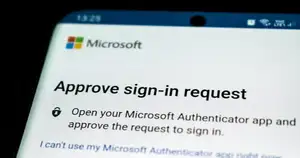
- Enabling MFA on all critical accounts
- Securing email and cloud services first
- Limiting public exposure of personal data
- Monitoring account activity regularly
These principles align with broader guidance in Cyber Hygiene.
🚨 What To Do If Identity Theft Is Suspected
Immediate actions include:
- Securing email and cloud accounts
- Changing passwords from a clean device
- Contacting financial institutions
- Monitoring credit reports
- Documenting all suspicious activity
A structured response reduces long-term damage, especially when paired with early detection.
📌 Conclusion
Identity theft in 2025 is a systemic threat, enabled by data breaches, automation, and human trust. It rarely starts with obvious fraud and often escalates silently until full control is achieved.
Understanding how identity theft unfolds is the first step toward prevention. Ongoing research and education published by SECMONS aim to expose these mechanisms and help users recognize early warning signs before irreversible damage occurs.