Mobile Malware in 2025: Fake Apps, Spyware & Stalkerware Explained
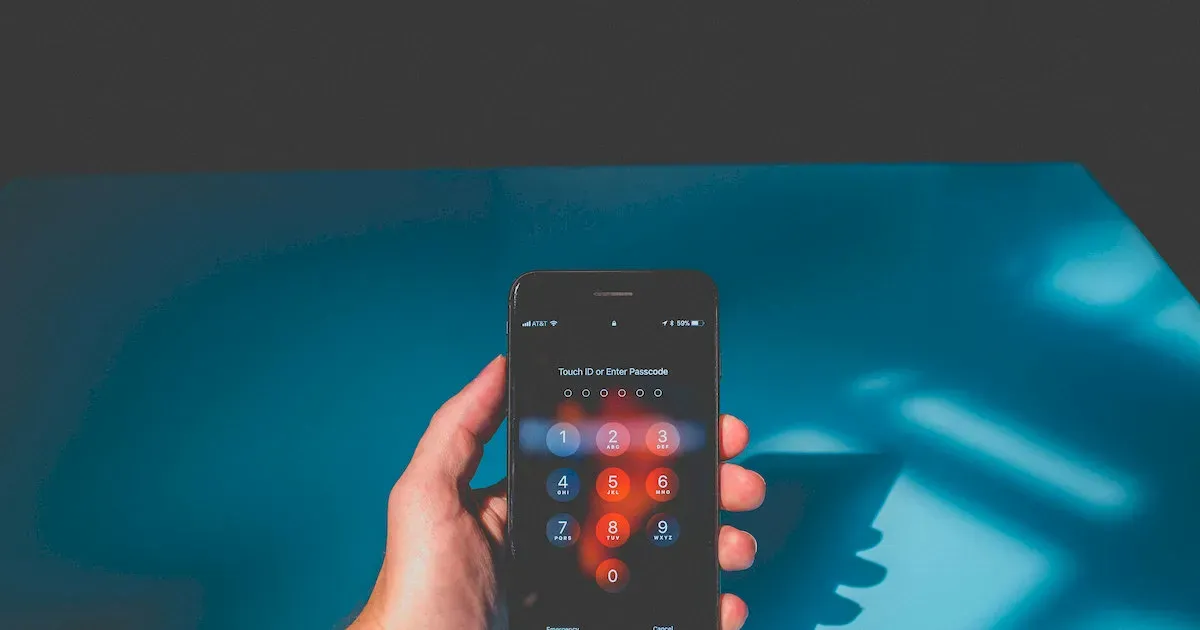
Mobile devices have become the most valuable targets in modern cybercrime. In 2025, smartphones are no longer secondary endpoints — they are primary access points to identities, finances, communications, and authentication systems.
Mobile malware has evolved accordingly. Rather than exploiting complex technical vulnerabilities, most attacks now rely on deception, trust, and abuse of permissions. Understanding how these threats work is essential for reducing real-world risk.
📱 Why Mobile Devices Are Prime Targets
Smartphones consolidate multiple critical functions into a single device:
- Authentication codes and MFA prompts
- Banking and payment applications
- Personal and professional email
- Location data and contacts
- Cloud account access
- Private conversations and media
Once compromised, a mobile device can be used to bypass protections on other accounts, making it a central element in many attack chains related to Identity Theft Protection.
🧪 Fake Apps: The Most Common Mobile Malware Vector
Fake applications remain the dominant infection method for mobile malware in 2025. These apps often appear legitimate and are distributed through:
- Third-party app stores
- Malicious ads
- Fake update prompts
- Direct download links shared via messages
They frequently impersonate:
- Utility tools (flashlight, cleaner, scanner)
- Banking or finance apps
- Messaging clients
- Productivity or document viewers
Once installed, fake apps may harvest credentials, display phishing overlays, or silently monitor user activity. These techniques align closely with manipulation patterns explained in Social Engineering.
🕵️ Spyware: Silent Surveillance on Personal Devices
Spyware is designed to operate invisibly. Unlike overt malware, its goal is long-term monitoring rather than immediate disruption.
Common spyware capabilities include:
- Reading messages and emails
- Recording calls or ambient audio
- Capturing screenshots or keystrokes
- Tracking real-time location
- Exfiltrating photos and documents
Spyware infections often originate from malicious apps or physical access to the device. Once installed, detection is difficult without deliberate inspection or unusual behavior patterns.
👁️ Stalkerware and Abuse-Focused Malware
Stalkerware represents a particularly harmful category of mobile malware. It is frequently used in situations involving coercion, surveillance, or personal abuse.
These tools are often marketed as:
- Parental control software
- Employee monitoring apps
- Device tracking utilities
In reality, they enable unauthorized surveillance and frequently operate without clear user consent. Because stalkerware often requires physical access for installation, it bridges digital compromise with physical security concerns described in Personal Safety.
🔐 Credential Theft via Overlay Attacks
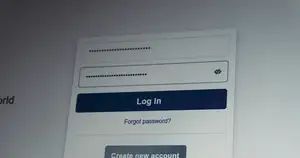
Overlay attacks are increasingly common on mobile platforms. In these attacks, malware displays a fake login screen over a legitimate app.
Victims believe they are signing in normally, but credentials are intercepted in real time. This method is particularly effective against banking apps and cloud services and often leads to full account compromise.
Overlay attacks are one of the reasons mobile malware plays a significant role in account takeover incidents covered under Cyber & Digital Security.
⚠️ Why Mobile Malware Is Hard to Detect
Mobile malware often avoids traditional indicators of compromise. Many malicious apps:
- Use legitimate permissions
- Avoid triggering antivirus alerts
- Blend into normal app behavior
- Activate only under specific conditions
As a result, users may not notice infection until secondary effects appear, such as unauthorized logins, financial anomalies, or privacy violations.
🛡️ Reducing Exposure to Mobile Malware
Effective mobile protection focuses on prevention rather than cleanup. Key measures include:
- Installing apps only from trusted sources
- Reviewing permissions carefully
- Keeping the operating system updated
- Avoiding unsolicited download links
- Monitoring account activity regularly
Practical steps for securing mobile devices are detailed in Tools & Checklists, where layered defenses are emphasized.
🔄 Mobile Malware as Part of Larger Attack Chains
Mobile malware rarely operates in isolation. Compromised devices are often used to:
- Intercept MFA codes
- Reset passwords
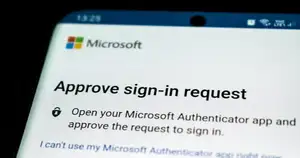
- Approve fraudulent logins
- Harvest additional personal data
This makes mobile security inseparable from broader threat prevention strategies involving phishing, identity theft, and financial fraud.
📌 Conclusion
Mobile malware in 2025 reflects a shift away from technical exploitation and toward trust abuse. Fake apps, spyware, and stalkerware thrive because users are conditioned to grant permissions and trust familiar interfaces.
Protecting mobile devices requires awareness, discipline, and an understanding that smartphones are now central to both digital and physical security. Ongoing threat analysis and prevention guidance are part of the broader research published by SECMONS.