Malware & System Defense
🛡️ Malware & System Defense: How to Protect Your Devices (2025 Guide)
Malware is one of the most common and dangerous threats in the digital world.
Criminals use malware to steal passwords, lock files for ransom, spy on devices, or gain full control of your system.
This guide explains how malware works — and how to protect your laptop, phone, and smart devices from modern cyber threats.
Before diving in, learn how attackers trick victims into installing malware using manipulation strategies:
👉 Social Engineering
🧫 What Is Malware?
Malware (malicious software) is any software designed to:
- Steal data
- Spy on your activity
- Encrypt files for ransom
- Take control of your device
- Steal passwords and login sessions
- Redirect payments
- Install additional threats
Malware often leads directly to identity theft:
👉 Identity Theft Protection
🧨 The Most Common Types of Malware
1️⃣ Viruses & Worms
Spread across:
- Email attachments
- Infected USB drives
- Compromised websites
They infect system files and replicate across networks.
2️⃣ Spyware
Designed to monitor:
- Browsing activity
- Messages
- Keystrokes
- Screenshots
Often used to steal passwords and financial data.
3️⃣ Keyloggers
Record every keystroke you type — including:
- Passwords
- Messages
- Banking logins
- Search terms
If you suspect a keylogger, change passwords immediately:
👉 Strong Passwords
4️⃣ Ransomware
Encrypts your files until you pay a ransom.
Common targets:
- Businesses
- Healthcare systems
- Remote workers
- Home users with valuable data
Never pay — there’s no guarantee criminals will unlock your files.
5️⃣ Adware & Malvertising
Adware displays unwanted ads and pop-ups.
Malvertising spreads malware through:
- Fake ads
- Pop-ups
- Redirects
6️⃣ Trojan Horses
Look legitimate but contain malware inside.
Installed from:
- Fake downloads
- Email attachments
- Cracked software
- Fake system tools
7️⃣ Rootkits
Deeply embedded tools used to hide malware.
Very difficult to detect without specialized software.
8️⃣ Botnets
Your device becomes part of a criminal network used to:
- Send spam
- Launch attacks
- Spread malware
- Steal data
9️⃣ Mobile Malware
Targets:
- Android apps
- Fake iOS profiles
- Malicious APK files
- Fake security apps
This often appears through links shared in social media scams:
👉 Social Media Scams
🔥 How Malware Infects Your Device
Most malware infections begin with:
✔ Email attachments (phishing)
PDF, DOCX, ZIP files.
See:
👉 Verify Website Legitimacy
✔ Fake websites
Look-alike login pages or fake stores.
✔ Pirated or cracked software
Extremely high risk — often bundled with spyware.
✔ Fake updates
Pop-ups claiming “Your browser is out of date.”
✔ USB drives
Especially from unknown sources.
✔ Malicious ads
Injected into sites through compromised ad networks.
✔ Fake mobile apps
Especially from outside official app stores.
✔ Public Wi-Fi attacks
Attackers inject malware when you browse insecurely.
🛡️ How to Protect Your Devices from Malware
Below are the practices used by cybersecurity experts to keep systems clean and secure.
🔐 1. Keep Your System Updated
Always install updates for:
- Windows / macOS
- Android / iOS
- Browsers
- Security apps
- Drivers
Updates patch security vulnerabilities used by attackers.
🔒 2. Install Trusted Security Software
Use reputable antivirus/anti-malware tools to detect:
- Ransomware
- Spyware
- Keyloggers
- Trojans
- Rootkits
Enable real-time protection and scheduled scans.
🌐 3. Download Software Only from Official Sources
Avoid:
- Cracked software
- Unverified extensions
- Unknown APK files
- Random downloads from search results
Fake apps frequently hide credential-stealing malware.
🛑 4. Never Click Suspicious Links
Phishing emails are the #1 malware distribution method.
If you’re unsure whether a link is safe:
👉 Verify Website Legitimacy
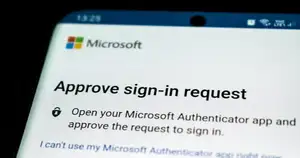
🔐 5. Use Strong Passwords & MFA
If malware steals your password, MFA prevents access.
Guides:
👉 Strong Passwords
👉 Multi-Factor Authentication
🖥️ 6. Protect Your Browser
Enable:
- Pop-up blocking
- Tracking protection
- HTTPS-only mode
- Script blocking (for advanced users)
Avoid installing unnecessary browser extensions.
📱 7. Protect Your Smartphone
Smartphones carry extremely sensitive data.
Do:
- Update apps
- Use official app stores
- Avoid APK files
- Disable unknown sources
- Review app permissions regularly
See privacy protections:
👉 Privacy & Identity
🧱 8. Harden Your Home Network
Secure your Wi-Fi and smart devices:
Guide:
👉 Network & IoT Hardening
Key steps include:
- Change default router passwords
- Use WPA3 encryption
- Disable WPS
- Separate IoT devices onto a guest network
🧹 9. Remove Unneeded Software
Old or unused programs may contain vulnerabilities.
Uninstall apps you no longer use.
🔍 10. Regularly Scan for Malware
Perform:
- Full system scans
- Quick daily scans
- USB scans before opening files
Your antivirus should be configured to run these automatically.
🚨 Signs Your Device May Be Infected
Watch for:
- Slow performance
- Sudden pop-ups
- Unknown programs
- Browser redirects
- Disabled security tools
- High CPU usage
- Strange network traffic
- Unexpected password resets
- Unusual login alerts
These signs often appear during identity theft attempts:
👉 Identity Theft Protection
🛑 What to Do If Your Device Is Infected
1️⃣ Disconnect from the Internet
Prevents further data theft.
2️⃣ Run a full system scan
Use a trusted antivirus/anti-malware tool.
3️⃣ Remove unknown programs
Uninstall suspicious apps/software.
4️⃣ Change your passwords
Use a secure device to update them.
👉 Strong Passwords
5️⃣ Enable MFA
Prevents attackers from using stolen credentials.
👉 Multi-Factor Authentication
6️⃣ Back up your files
Preferably to an external device or cloud backup.
7️⃣ Reset your browser settings
Remove harmful extensions.
8️⃣ Factory reset (if necessary)
Sometimes the only way to remove deep infections.
📚 Summary
Malware is a major threat to your personal data, identity, finances, and devices.
However, with strong security habits — updates, antivirus tools, careful browsing, secure passwords, and hardened networks — you can prevent most infections and keep your digital life safe.
To continue strengthening your cybersecurity: