How Scammers Exploit People: Inside Modern Fraud Psychology and Operations (2025 Guide)
How Scammers Exploit People: Inside Modern Fraud Psychology and Operations (2025 Guide)
Scams are no longer random, clumsy attempts made by a handful of opportunists. In 2025, fraud has become an industry with processes, playbooks, training, scripts, quality control, and even performance metrics. Criminals test what works, discard what doesn’t, and continuously refine their methods.
Understanding how scammers think and operate is one of the most powerful forms of protection you can build. This guide explains:
- How modern fraud operations are structured
- Which psychological levers scammers rely on
- How they combine social engineering, technology, and data
- Why highly intelligent people still fall for scams
- What practical defenses actually work in real life
If you’re unfamiliar with manipulation techniques in general, it’s worth reading the dedicated guide on Social Engineering alongside this article, as most scams are built on those foundations.
1. Fraud Has Become a Professional Operation
The first thing to understand is that serious scams today are organized. Behind what looks like a single message or phone call, there is often a coordinated operation with:
- Dedicated roles (callers, tech people, money mules, recruiters)
- Internal training, scripts, and “best practices”
- Tools for mass messaging and victim tracking
- Shared databases of stolen data and phone numbers
- Playbooks for different countries, age groups, and languages
This is particularly visible in:
- Investment scams
- Tech support scams
- Romance scams
- “Bank security” impersonation fraud
- Large-scale marketplace and shipping scams
The more profitable the scam, the more likely it is that a structured fraud ecosystem sits behind it. That ecosystem is built entirely on manipulating human behavior, not on bypassing cutting-edge encryption.
2. The Core Ingredients: Emotion, Pressure, and Credibility
Every scam — whether it arrives by email, phone, social media, messaging app, or a fake website — relies on a combination of three elements:
- Emotion – to disarm rational thinking
- Pressure – to force fast decisions
- Credibility – to make the story feel “real enough”
2.1 Emotional Triggers 🧠
Scammers target emotions that override your usual caution:
- Fear – “Your account will be closed”, “You are under investigation”, “Your child is in danger.”
- Greed / Opportunity – “Guaranteed returns”, “Exclusive insider access”, “Only you were selected.”
- Urgency – “Act now or lose everything”, “This is your last chance today.”
- Empathy and Care – “I’m in trouble”, “I need help”, “I’m stuck abroad, please send money.”
- Loneliness and Attachment – in romance scams, long-term grooming, and “friendship” scams.
These are the same levers described in Social Engineering, but in scams they are combined with specific financial or identity-related goals.
2.2 Time Pressure
Almost every serious scam includes some form of time pressure:
- “You have 10 minutes or your funds will be frozen.”
- “The police are already on the way, we’re trying to help you avoid arrest.”
- “If you don’t confirm now, the transaction cannot be reversed.”
The objective is simple: remove your ability to pause, think, verify, or ask someone else. Time pressure is not a detail — it is a core weapon.
2.3 Manufactured Credibility
To make the story believable, scammers invest heavily in looking legitimate:
- Polished websites with real-looking dashboards
- Fake “customer support” lines that are staffed 24/7
- AI-generated profile pictures and professional bios
- Emails using logos, fonts, and wording similar to real institutions
- Fake reviews and testimonials
- Screenshots of “profits” or “successful transactions”
You can see this clearly in investment scams, marketplace scams, and fake tech support operations — all of which are covered from the user’s perspective in Fraud & Scams.
3. The Scam Lifecycle: From Cold Contact to Extraction
Most profitable scams follow a repeatable lifecycle, regardless of channel or scenario.
Step 1: Target Acquisition
Scammers obtain potential victim details through:
- Data breaches and leaks
- Purchased email/phone lists
- Scraping social media and public profiles
- Malware logs selling stolen credentials
- Old databases traded on underground markets
Someone who has already been exposed in one breach is more likely to be targeted again, which ties directly into Identity Theft Protection.
Step 2: Initial Hook
The goal of the first contact is not to get money. It is simply to get your attention or response. This happens via:
- SMS messages with parcel, banking, or tax pretexts
- Emails about suspicious logins or invoice problems
- Social media messages or friend requests
- Phone calls pretending to be from banks, police, or tech support
- Dating apps and social networks in romance or “friendship” scams
If you react — click, reply, answer, or call back — you’ve moved into their active funnel.
Step 3: Story Building
Once the scammer has your attention, they start building a coherent story:
- A bank employee “helping you protect your funds”
- A tech support agent “cleaning viruses from your device”
- A senior investor “guiding you step-by-step into profitable opportunities”
- A romantic partner “sharing personal challenges and vulnerability”
This phase is about framing. If they can make you see them as a helper, advisor, expert, or caring partner, they control the context of everything that follows.
Step 4: Control and Isolation
In more serious scams, attackers actively work to isolate you from outside input:
- Asking you not to tell your family or bank what is happening
- Telling you that “the bank staff may be compromised”
- Keeping you on the phone for hours while you perform steps
- Encouraging you to trust only them and ignore others
By isolating you, they remove the people who might challenge the narrative — a tactic seen in high-impact fraud and also in some forms of emotional abuse.
Step 5: Action and Compliance
Only once emotional leverage is strong enough do scammers push for concrete actions, such as:
- Transferring money to a “safe account”
- Moving funds into cryptocurrency “for protection”
- Buying gift cards and reading codes out loud
- Installing remote-access tools on your device
- Approving high-risk banking transactions
- Uploading ID documents or taking biometric selfies
At this stage, victims often feel they are protecting themselves, not exposing themselves.
Step 6: Extraction and Exit
Once the money or valuable data is obtained, scammers:
- Cut off communication
- Block the victim
- Shut down accounts and websites
- Move funds across borders or into crypto mixers
- Recycle or resell victim data for future scams
In some cases, they return later with “recovery scams”, pretending to be investigators or lawyers who can “help you get your money back” — for another fee.
4. The Role of Data: Why Oversharing Makes You a Better Target
Scammers are extremely good at making their story feel personal. They do this by combining information from multiple sources:
- Social media posts and photos
- Your job and company details from LinkedIn
- Old data breaches (email, phone, address)
- Public registries or local business databases
- Tagged locations and check-ins
This allows them to:
- Use the names of your family members
- Mention your bank or employer correctly
- Refer to real events you posted about
- Mimic your writing style or vocabulary over time
This is one of the reasons why limiting what you share publicly, and understanding your digital footprint, is just as important as technical security settings. These aspects connect closely to Privacy & Identity Protection.
5. Why Intelligent People Still Fall for Scams
One of the most dangerous myths is: “It can’t happen to me; I’m not stupid.”
In reality, many victims are:
- Highly educated
- Experienced in their profession
- Technically literate
- Generally cautious in other areas of life
So why do they still fall?
- Scammers strike when people are tired, stressed, or distracted.
- They create a context where not cooperating feels riskier than cooperating.
- They exploit trust in institutions, uniforms, technical jargon, or emotionally intimate relationships.
- They present an apparently consistent story plus “evidence” (fake dashboards, emails, screenshots).
Intelligence helps, but no one is immune to emotional pressure, fear, or isolation. Recognizing this is not a weakness; it is a security advantage.
6. Practical Defense: How to Break the Scam Script
You can’t control how scammers behave, but you can control your rules for interacting with them. A few simple policies drastically reduce your risk.
Rule 1: Never Act Under Time Pressure
If someone says:
- “You must act now.”
- “Do not hang up.”
- “You have only minutes.”
…you should immediately assume high risk. Legitimate organizations accept that you may need to call back, verify, or think.
Rule 2: Verify Through a Different Channel
If “your bank” calls you, hang up and call the official number printed on your card or their website.
If “tech support” emails you, go directly to the vendor’s site and use their contact links.
Never trust phone numbers, links, or email addresses provided in the suspicious message itself. Techniques for verifying digital properties are described in Verify Website Legitimacy.
Rule 3: Never Share Verification Codes
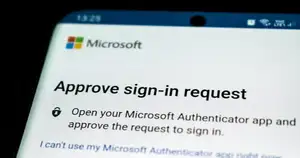
Verification codes (SMS, email, app-based) are keys to your accounts. No real bank, government agency, or support team needs them.
Sharing a code effectively hands control of your account to the other side. For detailed defense against this category of attacks, see Prevent Account Takeovers.
Rule 4: Understand That Screenshots and Dashboards Prove Nothing
Fake dashboards, fake “trading accounts”, and fake portal screenshots are trivial to generate. Do not trust numbers you see inside an environment that they created and control.
Rule 5: Check with Someone You Trust
If an interaction involves large sums of money, drastic actions, or fear, talk to:
- A trusted friend or family member
- A colleague with security awareness
- Your real bank or institution through official channels
The simple act of explaining the situation to someone else often breaks the spell.
7. If You Think You Are Being Scammed Right Now
If you are currently in a conversation that feels wrong:
- Stop responding — you are not obliged to continue a call, chat, or email.
- Do not transfer money or share more information.
- Take screenshots of messages, emails, and profiles.
- Contact your bank or payment provider immediately if any transaction is involved.
- Change passwords for accounts mentioned in the conversation.
- Enable or double-check multi-factor authentication (see Multi-Factor Authentication).
If the scam involved your personal data or documents, follow the steps in Identity Theft Protection to limit long-term damage.
8. Summary
Modern scammers do not rely on luck. They rely on structured manipulation, detailed scripts, psychological leverage, and large-scale data. The most important defenses are not secret tricks — they are consistent habits:
- Refusing to act under pressure
- Verifying identity through independent channels
- Refusing to share verification codes or sensitive data
- Questioning “too good to be true” offers
- Talking to someone you trust before making big decisions
By understanding how scammers exploit people, you move from being a passive target to an informed, active defender of your own security and of the people around you.
For broader context and specific examples of scam categories, continue with: